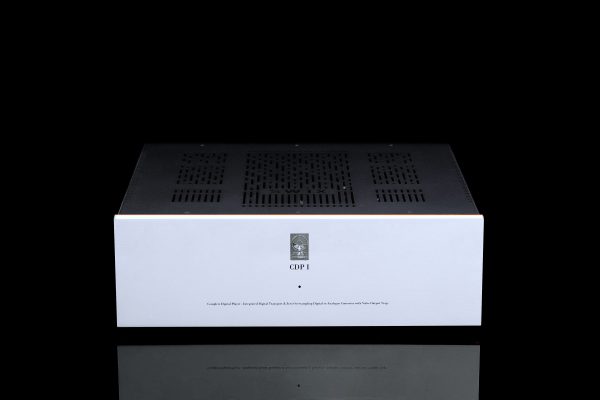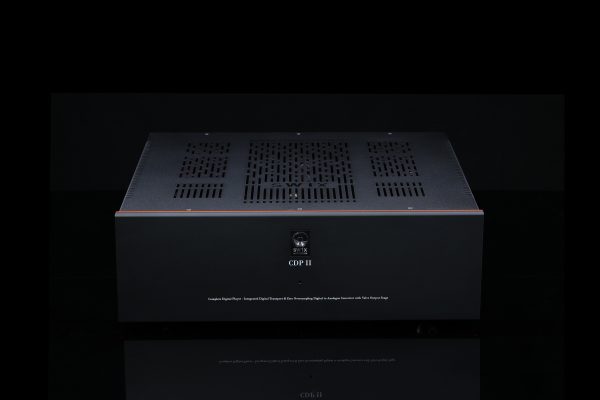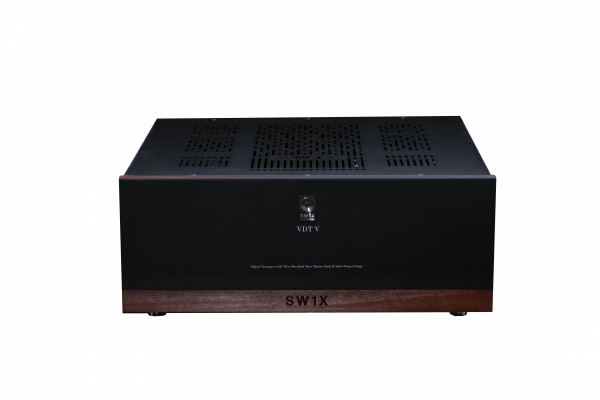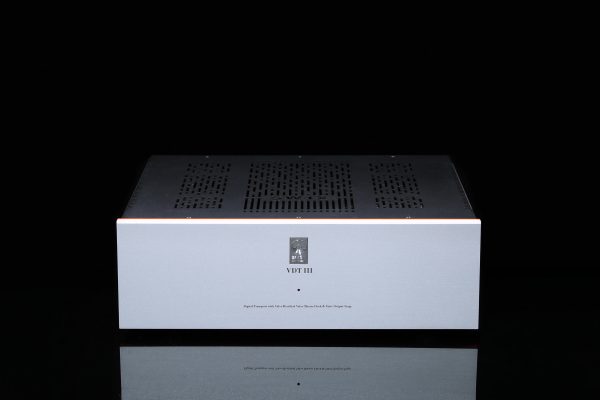



SW1X Valve Digital Transport & Streamers
Over the years of research and development of our digital filterless R2R DACs we have been looking to offer a matching digital transporter, a “better half” partner- a digital source that would maximise the musical potential of our DACs, synergise together in unison and match each other harmonically. If that was possible then it would make a digital product complete, similar to CD players back in the days were- one and inseparable solution. In order to achieve this goal, we were looking to replicate the direct & analogue sound character of the original & legendary Philips CDM0/CDM1 swing-arm CD pick up mechanism, which has been out of production since 1990s. It proved to be a difficult task to achieve given the trend of supplier racing towards cost reduction which shaped the mass consumer market since the discontinuation of the CDM0/CDM1 production. This has eventually led to the demise of CD pick up mechanism, downhill spiral in quality of digital transports and accelerated the transition into convenience driven computer hard drive based storage or currently completely remote streaming based digital. Is this the end?

– The Perfect Partners –
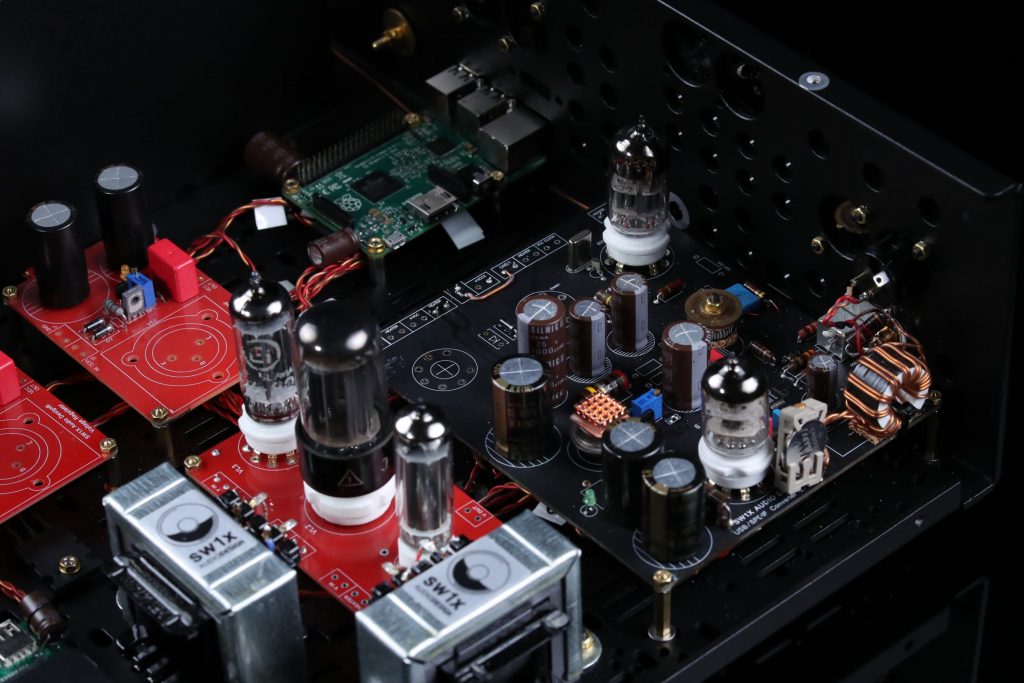
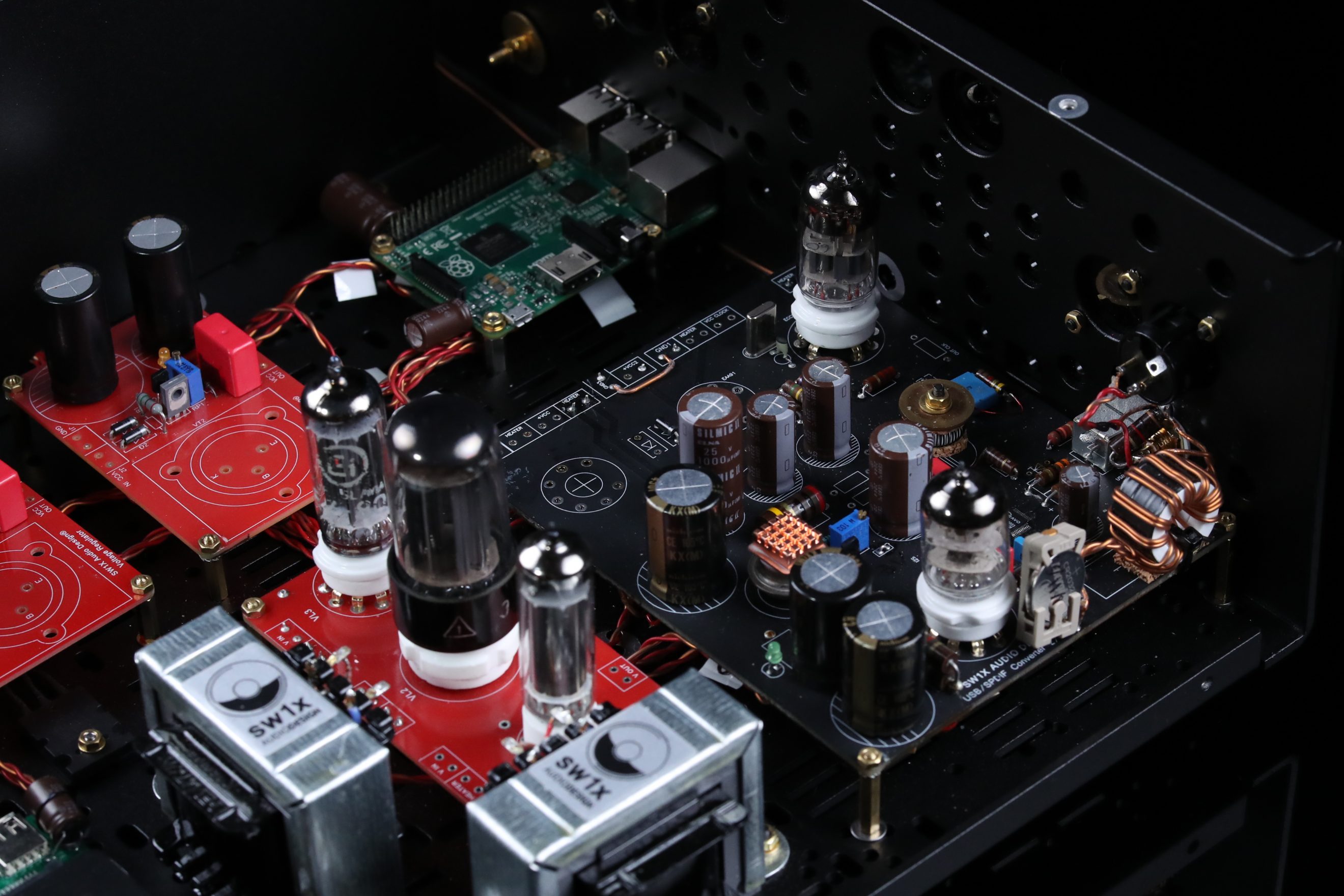
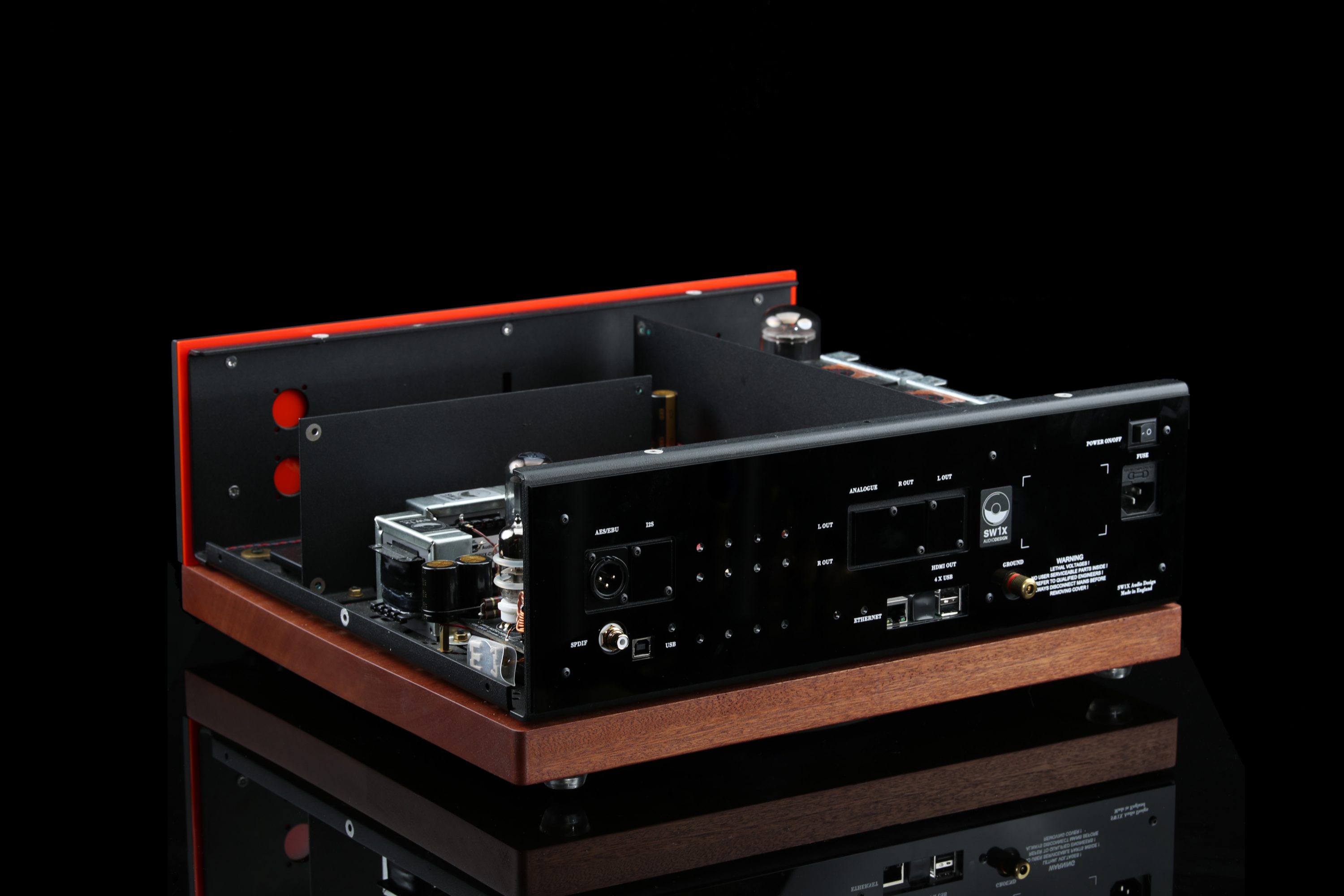
Given such circumstances we envisaged that the only way to achieve this goal is to continue implementing findings of our research from the CD player era to a new emerging technology by developing a computer based music streamer device akin to a CD based transport. The outcome is the VDT– Valve Digital Transport- a radically different approach to a modern digital source. Essentially, it is a CPU connected to a valve based master clock, which paces the valve powered digital output stage. It follows the same approach of a CD based digital transport just comes without a CD pick up mechanism but with a mini RISC CPU & audio playback dedicated OS that accesses a media storage drive instead. In order to achieve maximum analogue, musical & organic sound character unheard of digital source, VDT employs minimum quantity of transistors and maximum quantity of valves. Even the CPU (hardware and OS)- playback control part is reduced to an absolute minimum. This is done on purpose in order to have maximum musicality, highest possible quality of power supplies and to minimise all possible time domain distortions within the digital domain. Everything is designed to be UPnP & DLNA ready- just connect & discover the device on your network & control the playback of your music media via touch screen or another device. Last but not least, all our digital transport sources are designed to be ideal partners to our DAC products, maximising their musicality and analogue character.
Local Playback & Music Streaming Solution
In process of VDT creation or more accurately innovation, we went further and developed a full range of VDT products ranging from relatively simple to more sophisticated power supplies and increased number of tube employed. Altogether a VDT digital source is a fusion of old school technology from the CD (Red Book) based era applied to the new computer technology. We hoped that we could at least match the qualities associated with the good old CD pick ups. However today we can proudly announce that not only our VDT products match the qualities of CDM0/CDM1 pick up era but also surpass it in many aspects of sound quality (not to mention the bonus of convenience) by a large margin.
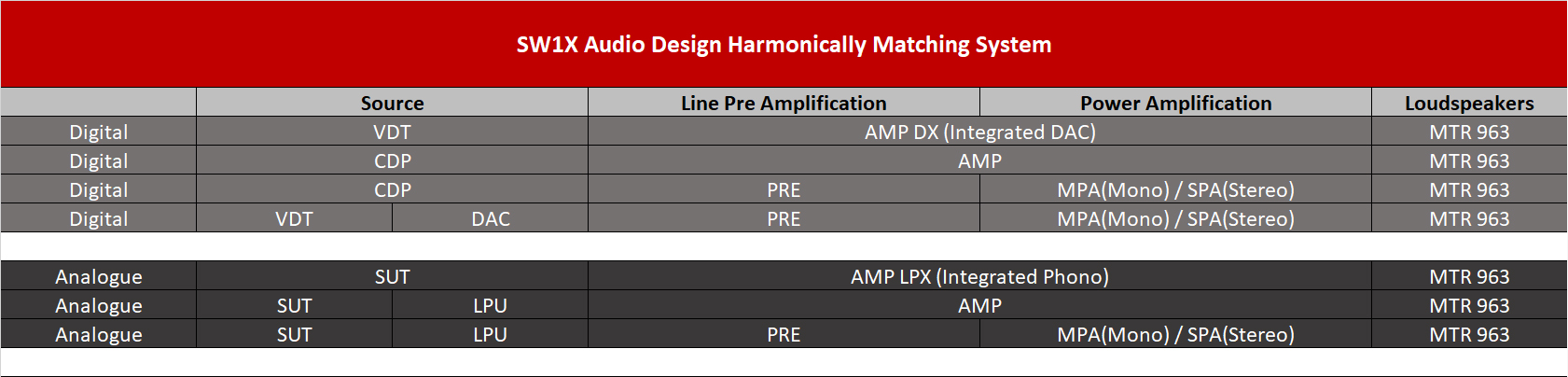
When transitioning from experimenting with CD players to experiments with computer based sources, the most important aspect of digital source design became very apparent to us- that complexity and computing power of a computer is not the answer to the question of sound quality. Quite on contrary to a widely accepted belief, the less power, the better it is as in fact it actually adversely affects the quality of power supplies and hence adversely affects the quality of sound. Almost every other product on the market is selling upgrades in terms of remote streaming services, “audiophile” routers, processing power and linear power supply upgrades, how come SW1X is going back in time to tube power supplies, local playback and less processing power? – one may ask. The answer is simple: If one looks to maximise musical pleasure there is no other way around it. The only other way to find out how good your DAC can get is to try a matching VDT transport.
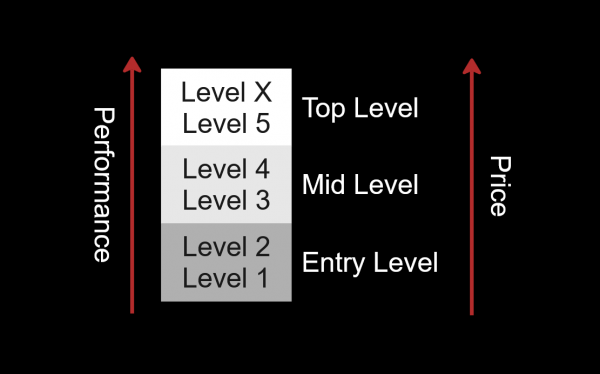
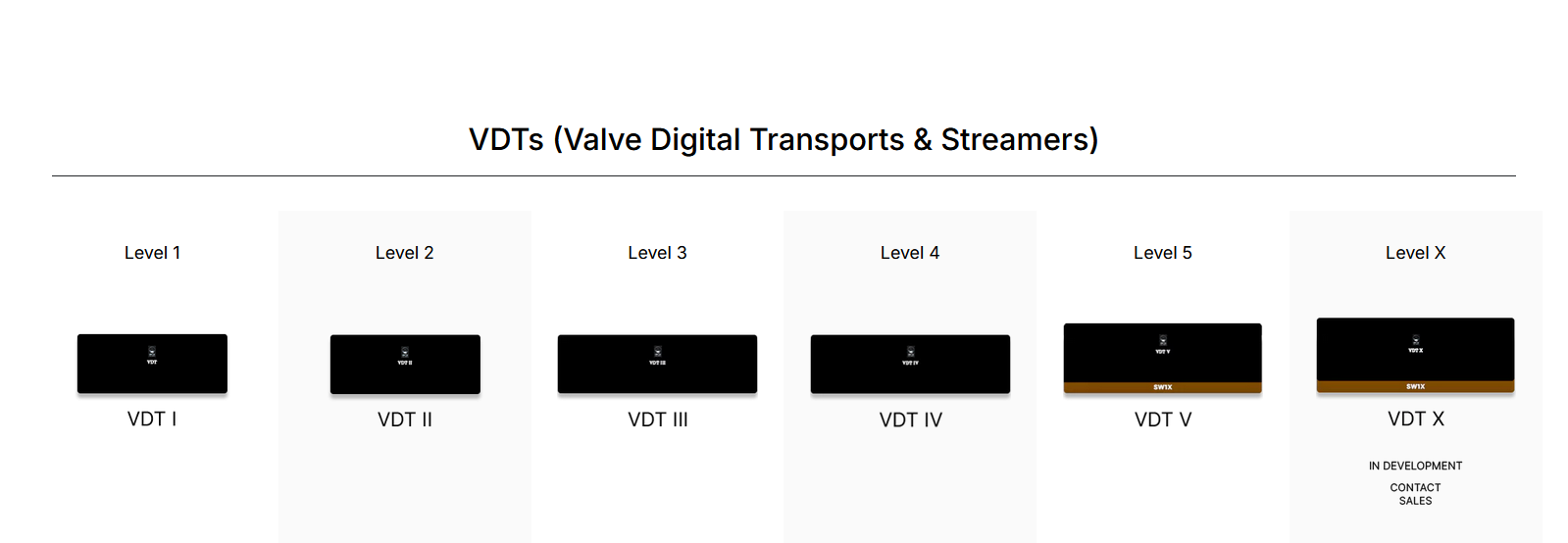
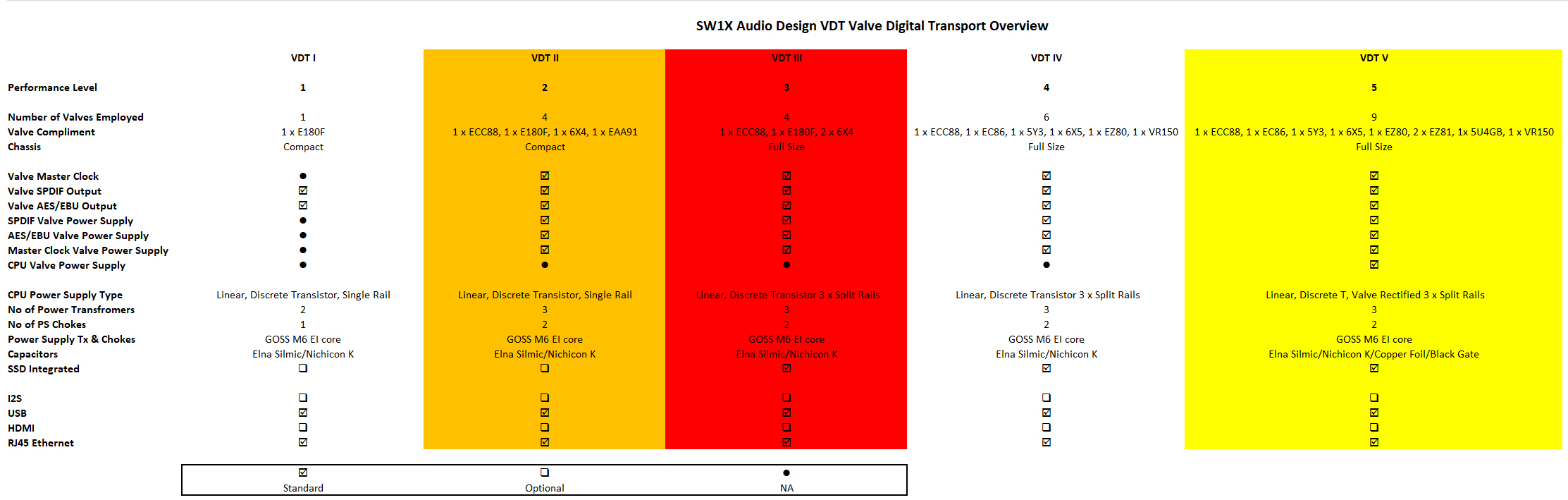
VDT Comparison Overview
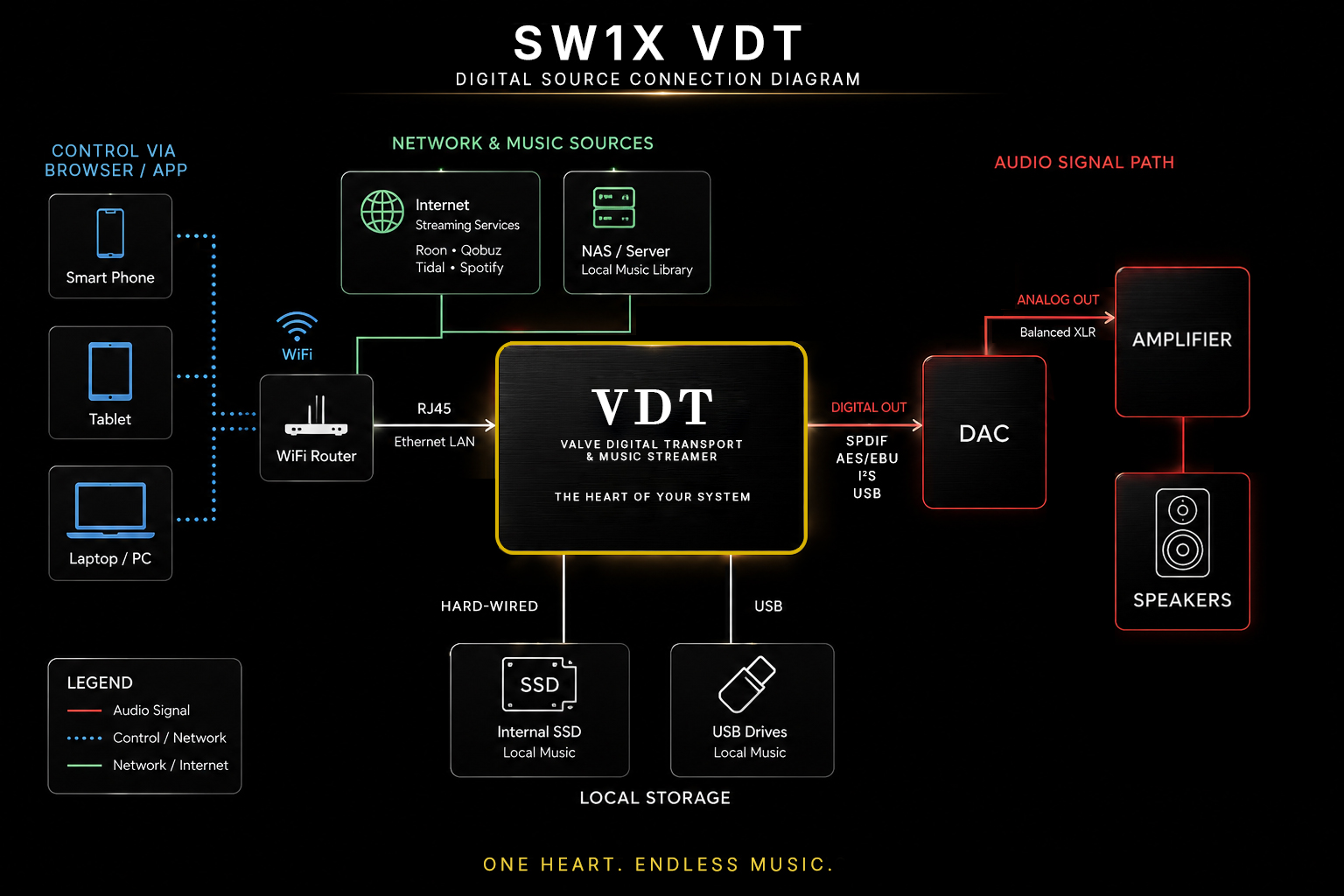
For the audiophile, the combination of local playback and Hi-Res streaming removes the need to choose between convenience and ownership. Streaming provides effortless access and discovery, while local playback offers a dedicated home for music that has been carefully selected, collected and preserved. The SW1X VDT brings these approaches together, reflecting the changing nature of the modern music collection, where CDs, special editions, high-resolution downloads, digital libraries and streaming subscriptions can all coexist within a single system.
The differences between VDT I, II, III, IV and V are not subtle.
As one progresses through the range, the level of realism, plasticity and analogue character increases significantly. Music becomes more liquid and effortless. Notes emerge from a darker background. Dynamic contrasts become more convincing. The presentation gains body, flow and naturalness until digital playback begins to exhibit qualities more commonly associated with analogue reel-to-reel tape and live performance.
Every VDT is built around the same fundamental philosophy: minimise digital artefacts, eliminate noise at its source and allow the music to flow with maximum naturalness. The higher one climbs through the range, the more extensively this philosophy is implemented.
Customers can begin with a VDT I and upgrade at any time through our trade-in programme, paying only the difference in price without losing value on their original purchase.
The Musical Entry Point
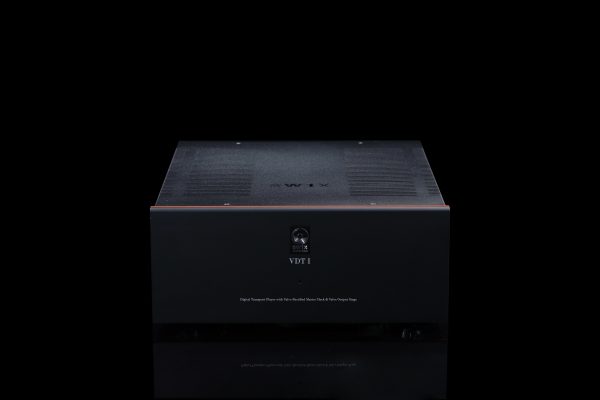
VDT I is our entry-level VDT and an exceptional introduction to our digital transport philosophy. It is a perfect match for DAC I and DAC II, delivering outstanding musicality, timing and engagement.
At its core, VDT I shares much of its circuit topology with the VDT II. However, it represents a more transistorised implementation of the design. The SPDIF/AES/EBU output stage employs a single valve, while the master clock uses the same fundamental circuit architecture as higher models but substitutes a transistor in place of a valve.
All power supplies are rectified using solid-state diodes.
The result is a highly musical transport that captures the essence of the VDT concept, offering excellent rhythm, coherence and natural tonal balance while establishing the foundation for future upgrades.
Where the Journey Truly Begins
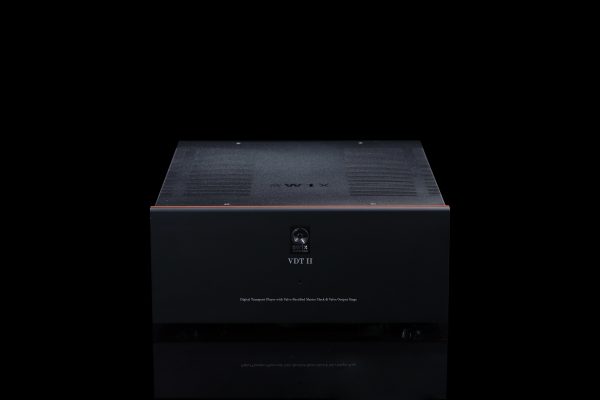
VDT II is where many listeners discover what makes the VDT concept so special.
While closely related to the VDT I in overall circuit design, VDT II introduces a significantly greater valve presence throughout the architecture. Most importantly, it is the first VDT to employ a valve in the master clock itself.
The SPDIF/AES/EBU stage and the master clock both receive tube-rectified power supplies, replacing the solid-state rectification used in the VDT I.
This seemingly simple change has profound consequences for the sound. The presentation becomes more organic, more fluid and considerably more analogue in character. Notes flow more naturally, textures become richer and the music gains an ease that allows listening sessions to extend effortlessly for hours.
VDT II is the model where the distinctive VDT combination of precision and liquidity begins to fully emerge. It is an ideal partner for our mid-level DAC II Balanced and DAC III.
The Power Supply Revolution
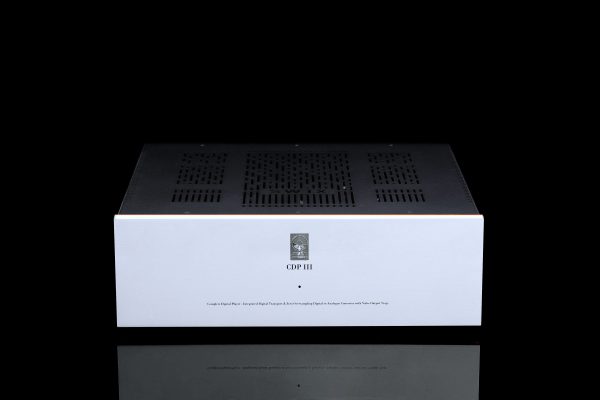
VDT III represents one of the most significant advances in the entire range.
The output stage and master clock sections remain identical to those used in the VDT II. The major difference lies elsewhere: the power supply architecture feeding the CPU.
In our experience, the quality of the CPU power supply influences at least fifty percent of the final sound quality of a digital transport. This is where VDT III moves into an entirely different league.
Unlike VDT I and II, which utilise a single power rail arrangement for the CPU platform, VDT III introduces a dedicated three-rail split power supply architecture. More importantly, we upgrade the motherboard by removing the noisy onboard switching voltage regulators, removing low-grade SMD capacitors and replacing them with our own discrete audio-grade linear voltage regulators and audio capacitors.
Each of the three voltage rails receives its own secondary windings from a dedicated custom-wound M6 Core power transformers and its own carefully optimised power supply. Every stage is built using our preferred audio-grade capacitors, resistors, transistors and rectification methods.
The use of discrete linear regulation allows us to avoid many of the compromises inherent in standard computer-grade power circuitry.
The sonic results are dramatic.
The background becomes darker and quieter. There is greater silence between notes. Dynamic attacks become more convincing. Fine detail emerges more naturally. Most importantly, music develops a level of liquidity and effortlessness that simply cannot be achieved with conventional switching regulators.
What listeners often describe as “digital sound” begins to disappear.
Bringing the Sound Closer to Analogue
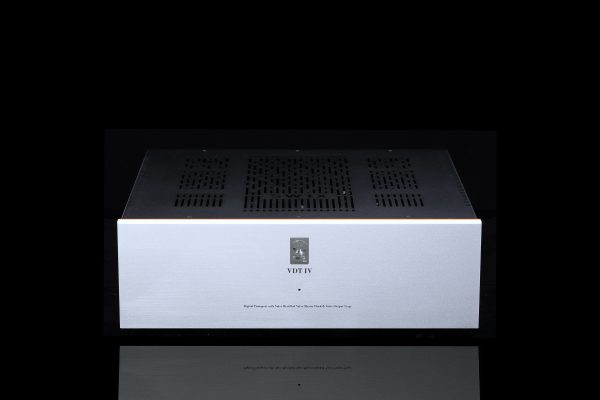
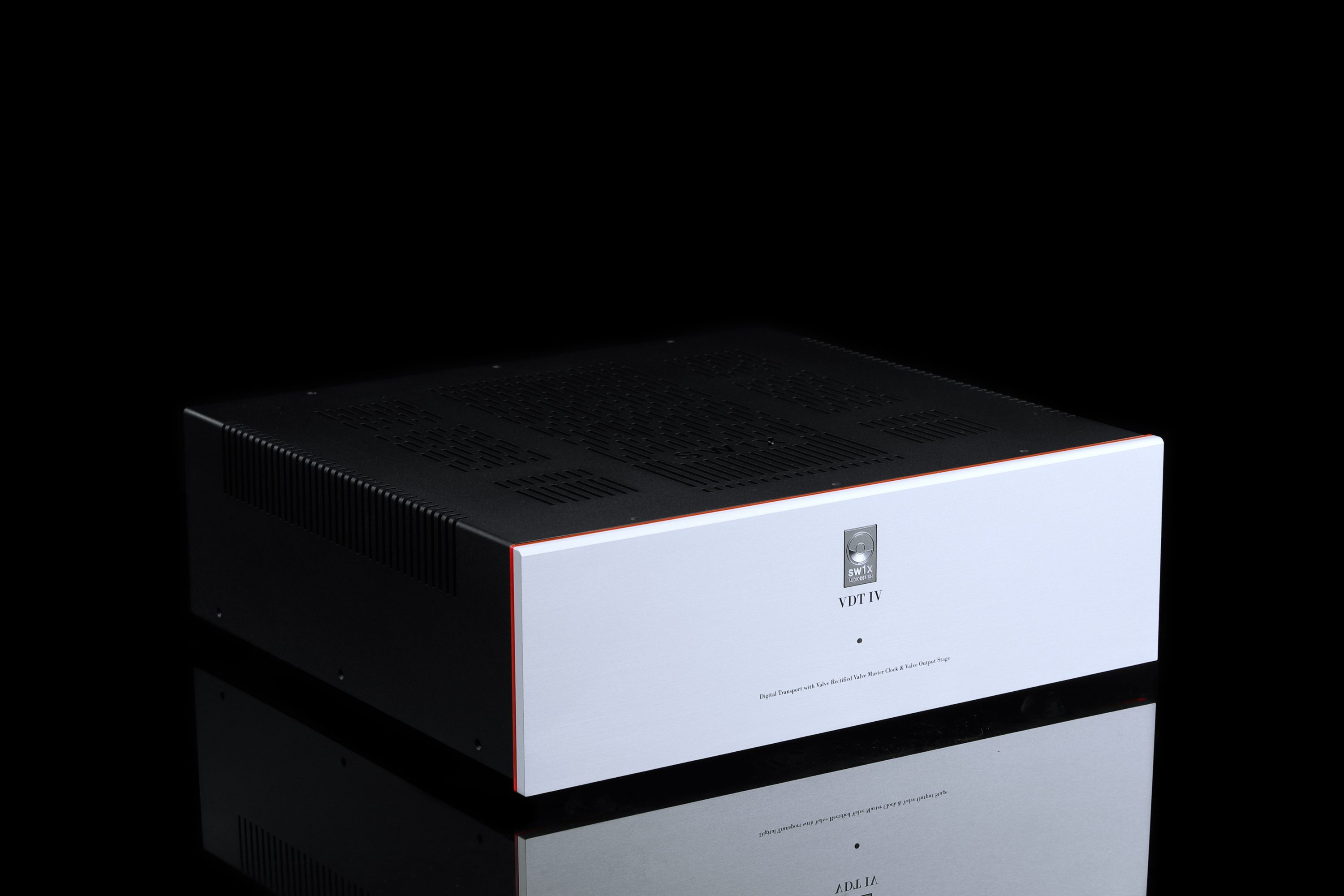
VDT IV builds directly upon the VDT III platform and takes the concept significantly further.
Like the VDT III, it employs the fully modified CPU platform with its three dedicated split power rails and discrete linear regulation. However, VDT IV introduces additional valve rectification and regulation throughout the digital output circuitry.
The master clock receives upgraded tube rectification. A dedicated tube rectifier is added to the SPDIF/AES/EBU processor power supply. The SPDIF/AES/EBU output stage gains a dedicated valve voltage regulator together with a more substantial tube rectifier arrangement.
These enhancements elevate every aspect of performance.
Dynamics become more explosive yet simultaneously more relaxed. Textures become smoother and more continuous. Harmonic structures gain complexity and realism. The silence between notes becomes even darker, allowing instruments and voices to emerge from an almost black background.
The overall character becomes unmistakably more analogue, combining precision and detail with an effortless flow that conventional digital sources rarely achieve.
The Ultimate Expression
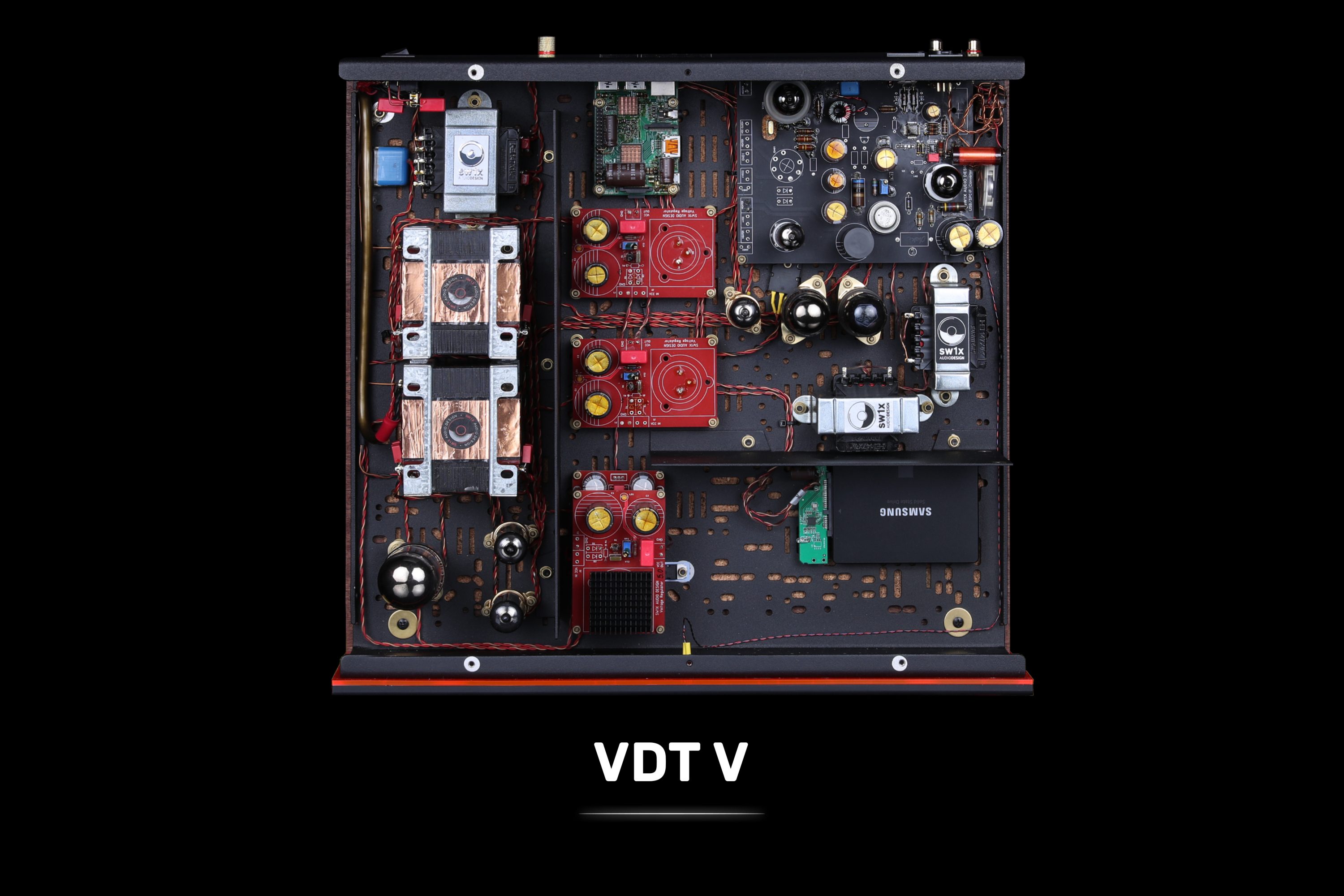
VDT V is the culmination of everything we have learned about digital transport design.
It incorporates all the technologies of the VDT IV while extending the valve power supply philosophy to its logical conclusion.
The three split CPU voltage rails that distinguish VDT III and IV are now themselves powered by dedicated valve-rectified power supplies. This makes VDT V unique in employing three valves solely for powering the computer platform.
A computer with tube power supplies is like “back to the future”. It represents a highly sophisticated solution to one of digital audio’s greatest challenges: power supply noise. Tube rectifiers again clean up the residual grain and makes the sound silky smooth- RTR tape alike.
Implementing valve rectification at this level requires substantially larger transformers, significantly more complex engineering and a considerable amount of specialist knowledge. The rewards, however, are immediately audible.
The result is something rarely encountered in digital audio: a source capable of delivering the precision of digital together with the naturalness, musicality and emotional engagement of the finest analogue systems.
Supported Formats & Services
Supported Formats WAV, FLAC, DSD, Alac, Aac, Vorbis, Cue, Mp3 and others
UPNP DLNA Renderer with Open Home support
Supported Services Airplay via Shairport Sync, Roon, Spotify & Spotify Connect, TIDAL & TIDAL Connect, QOBUZ, QOBUZ Connect.
User Control Interface
App Based or Web Browser
SW1X VDT III Valve Digital Transport Player & Music Streamer
Read more about remote streaming vs local playback here
Follow us on Facebook, Instagram, YouTube and Pinterest. Join the official SW1X Audio Club