The Birth of the Valve Digital Transport & Streamer
Rethinking the Digital Source
For many years, digital audio development has revolved around the DAC. Manufacturers competed to build increasingly sophisticated digital-to-analogue converters with ever more advanced chipsets, lower measured jitter, higher sampling rates and increasingly complex digital processing. The assumption was simple: if the DAC could be improved, digital playback would naturally become more convincing.
While tremendous progress has undoubtedly been made in converter technology, our own experience repeatedly pointed us towards a different conclusion. The DAC is only one part of the playback chain. It can only convert the information it receives, and the quality of that information depends entirely on the source that delivers it.
This observation became the starting point for what would eventually become the world’s first Valve Digital Transport.
It was never conceived simply as another streamer. It began with a much broader question: what should a modern digital source actually be?
Understanding the Meaning of “Digital Transport”
The term digital transport has its roots in the early days of digital audio, long before network streaming became commonplace.
The first generation of CD players combined everything inside a single chassis. The optical pickup mechanism, digital processing and DAC all formed one integrated machine. As digital technology evolved, many enthusiasts discovered that separating these functions offered significant advantages. Later in time, dedicated CD transports were developed to do one job exceptionally well: read the disc accurately and deliver a precisely timed digital signal to an external DAC.
The transport became responsible for extracting and delivering digital data, while the DAC focused solely on converting that data into analogue music.
This separation proved so successful that the term digital transport gradually extended beyond CD. It came to describe any dedicated device whose primary purpose was to retrieve digital music and deliver it to a DAC with the greatest possible accuracy and stability.
In contrast, an audio streamer is a device that delivers digital audio over the internet or a network for real-time or on-demand listening. Audio streamers can play music, podcasts, radio and other audio content without requiring users to download the entire audio file first. In the modern hi-fi market, the term digital transport is less commonly used as streaming has become a dominant way of accessing digital music. However, the underlying transport function has not disappeared; it has simply been incorporated into a broader category of devices.
This distinction is important because streaming describes how music is accessed, whereas transport describes what the device does with the digital data. A modern digital transport can therefore incorporate streaming capabilities without streaming being its sole purpose.
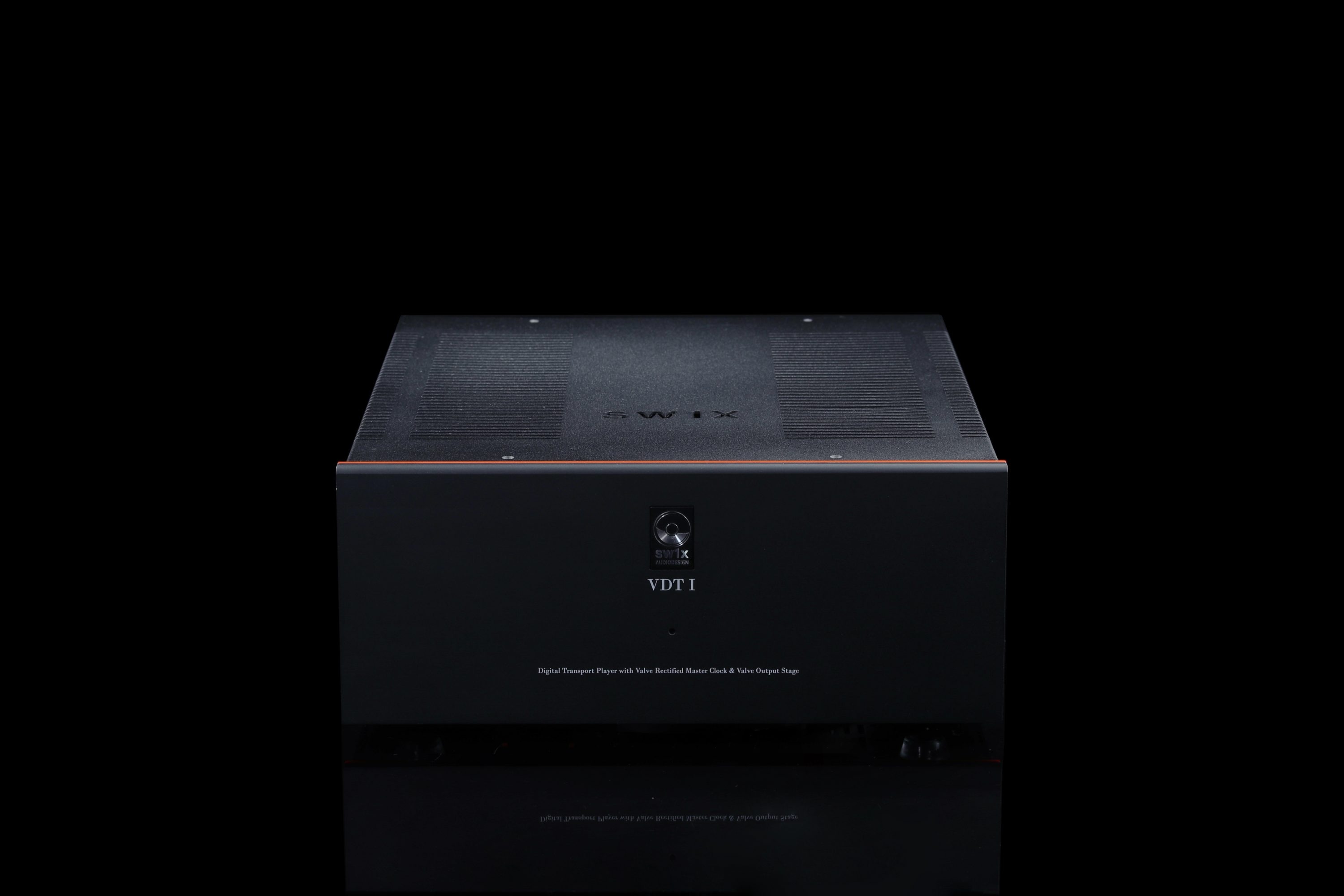
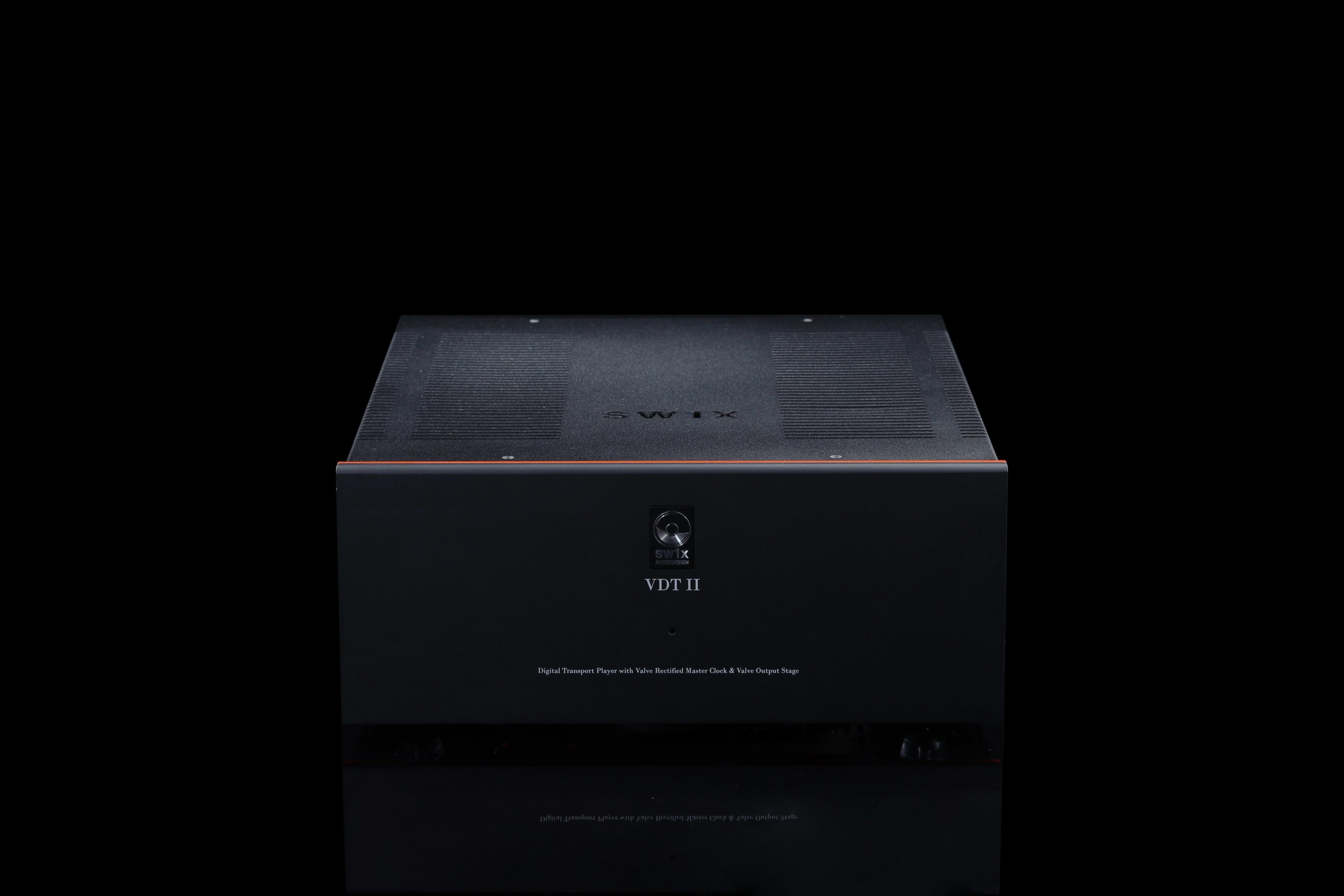
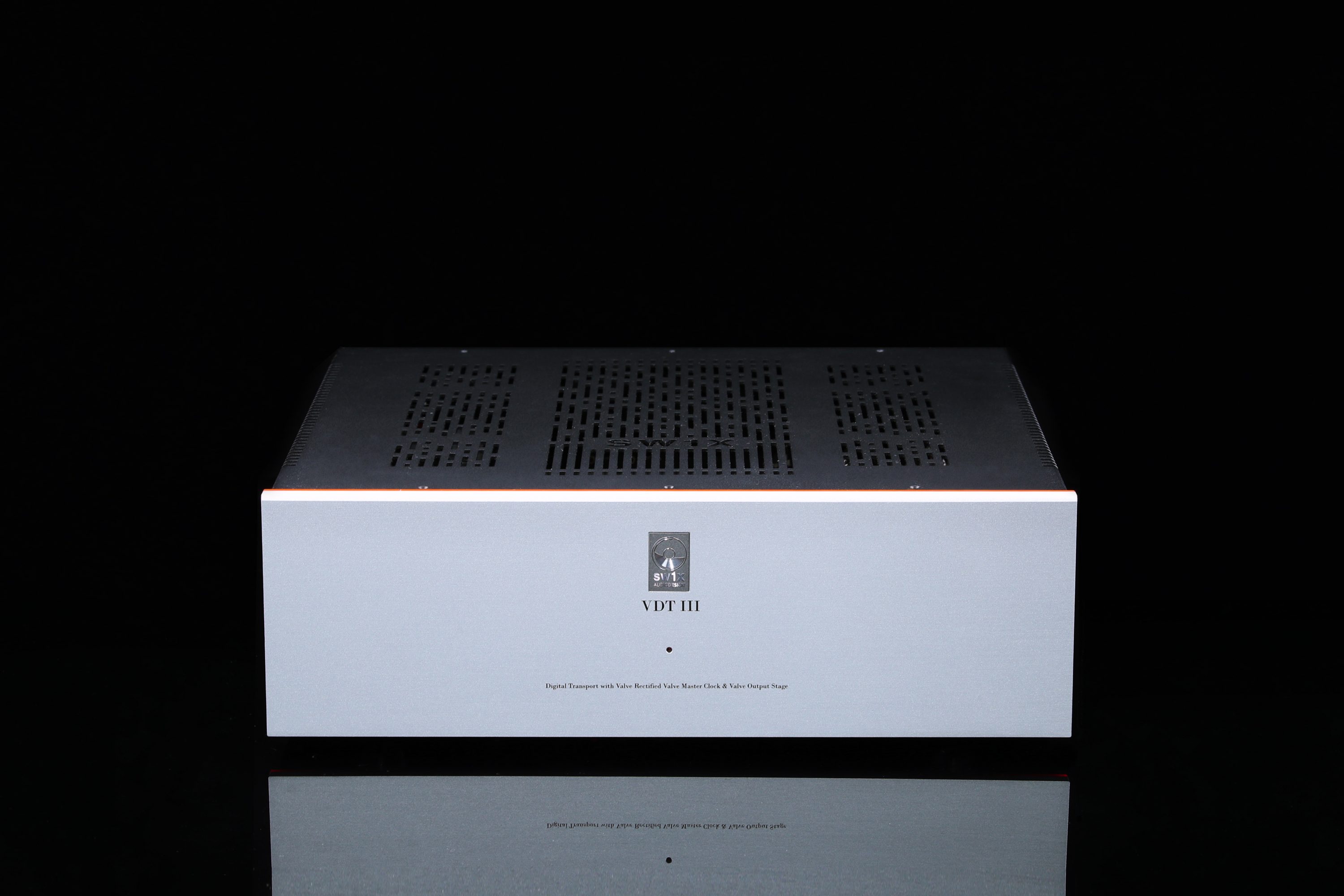

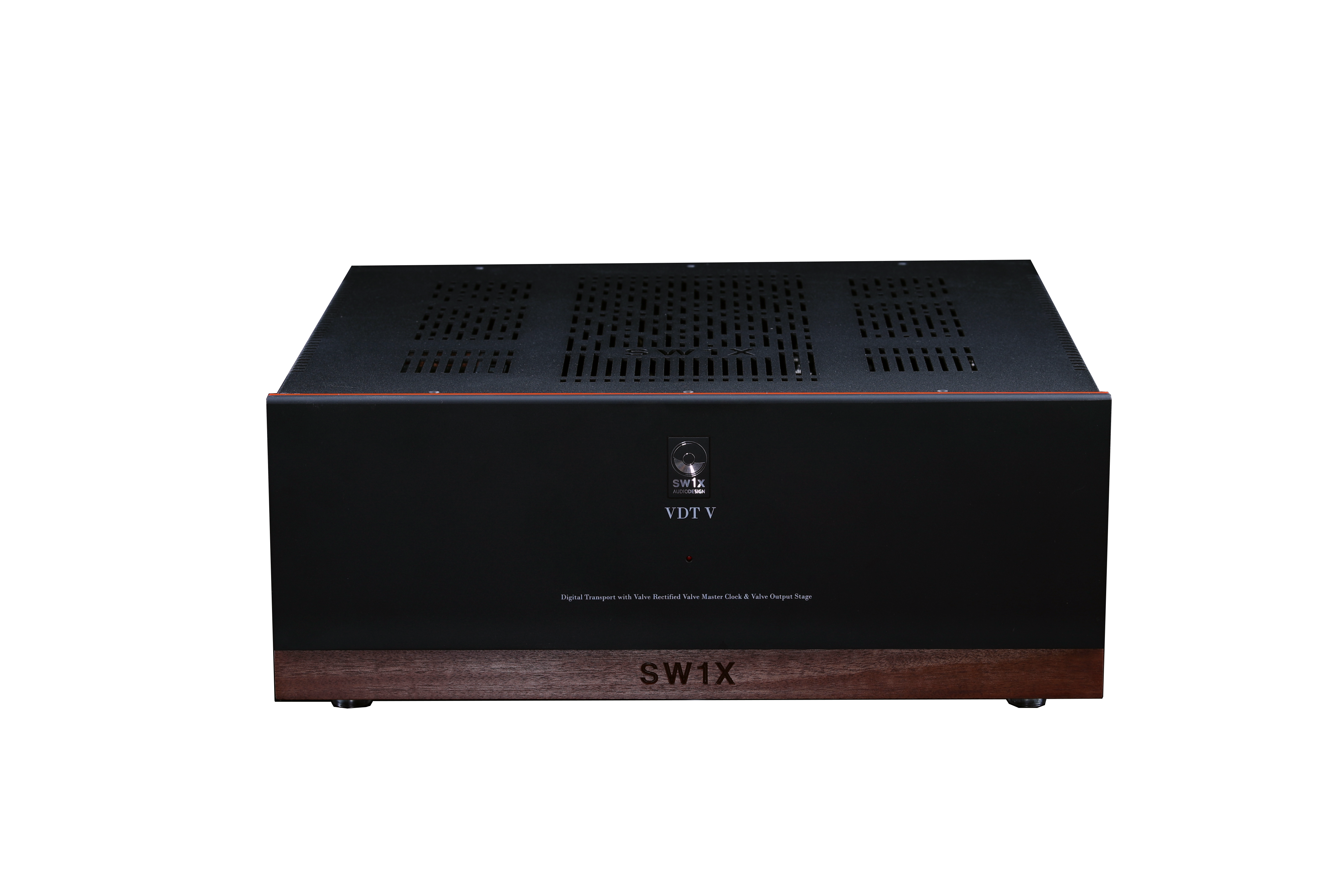
Digital Transports first and Streamers second
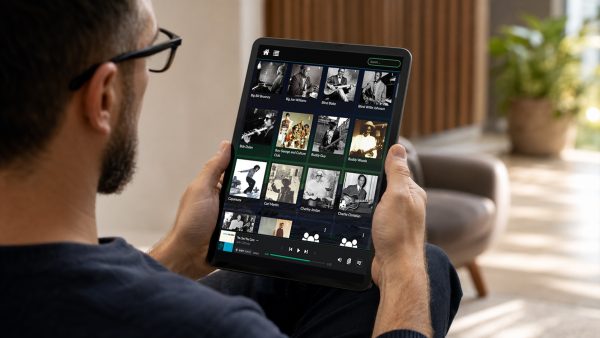
Streaming is one capability of the VDT, but it does not define its purpose. We understand that accessibility to music is a key requirement for any music lover. This is why equipped our digital transport with an intuitive OS with UPNP and DLNA ready solution that provides access to popular hi-res streaming platforms.
Modern digital audio encompasses several distinct methods of accessing music, and understanding these differences is important.
The first is what most people immediately associate with streaming: music delivered via the internet from services such as TIDAL, Qobuz or Spotify. Here, the transport connects to a home network, which in turn connects to the internet, allowing access to millions of albums, internet radio stations and virtually unlimited musical discovery.
A second form of streaming never leaves the home at all. Many listeners maintain extensive music libraries stored on NAS drives, dedicated music servers or other computers connected to their local network. Although the music is streamed across the network, it remains entirely within the listener’s own system rather than arriving from the internet.
Both of these are genuinely forms of streaming because the music data is transmitted across a network during playback.
There is, however, a third method that is fundamentally different.
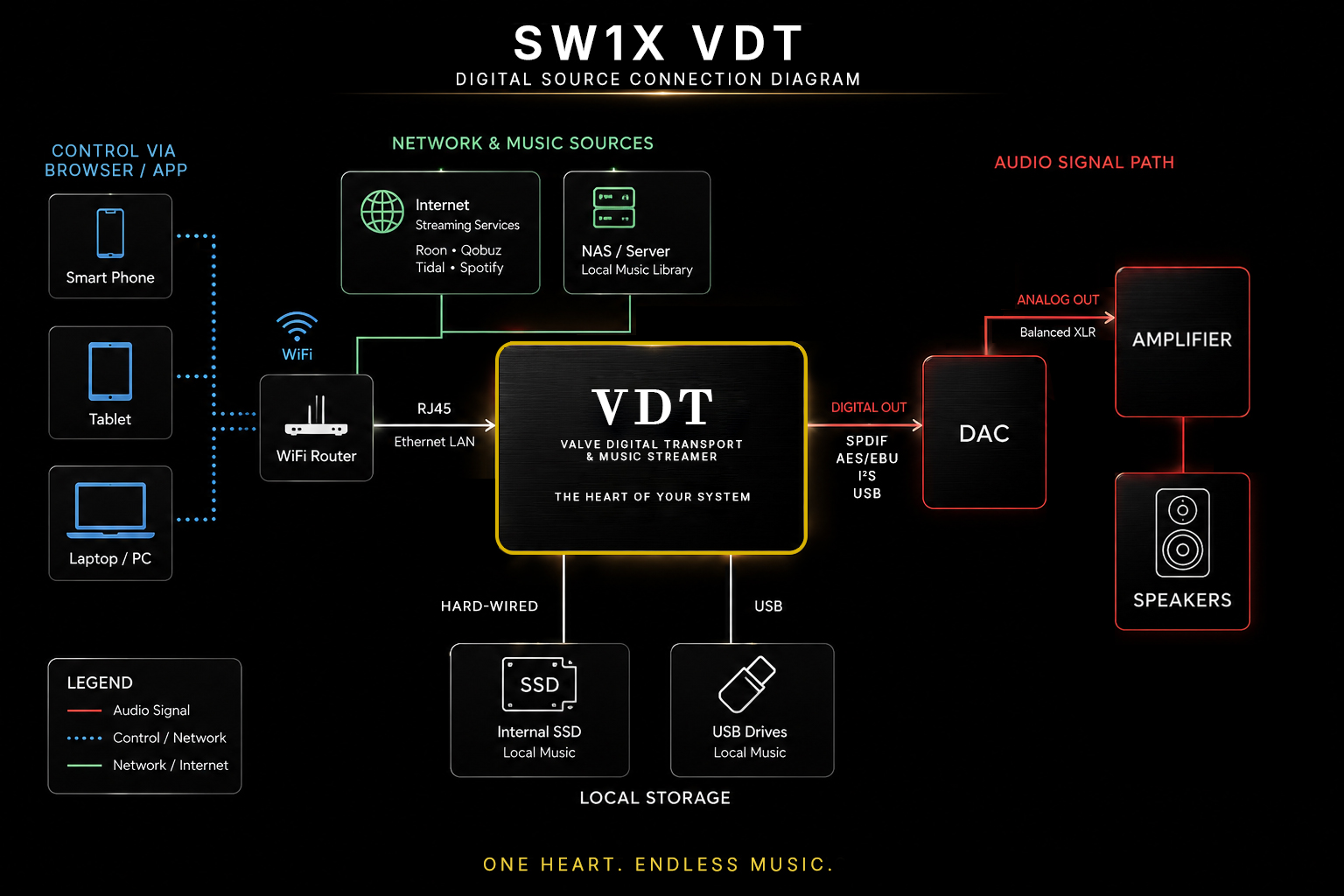
When music is stored directly inside the playback device itself and reproduced from its own internal storage, no network transmission takes place during listening. The data is already present within the transport, ready to be delivered directly to the DAC. In this situation the device is no longer functioning as a network streamer in the conventional sense. It is performing the same role that a reference CD transport once performed: retrieving locally stored digital data and presenting it to the DAC with maximum precision and minimum interference.
This is why we deliberately use the term Valve Digital Transport rather than simply calling it a streamer.
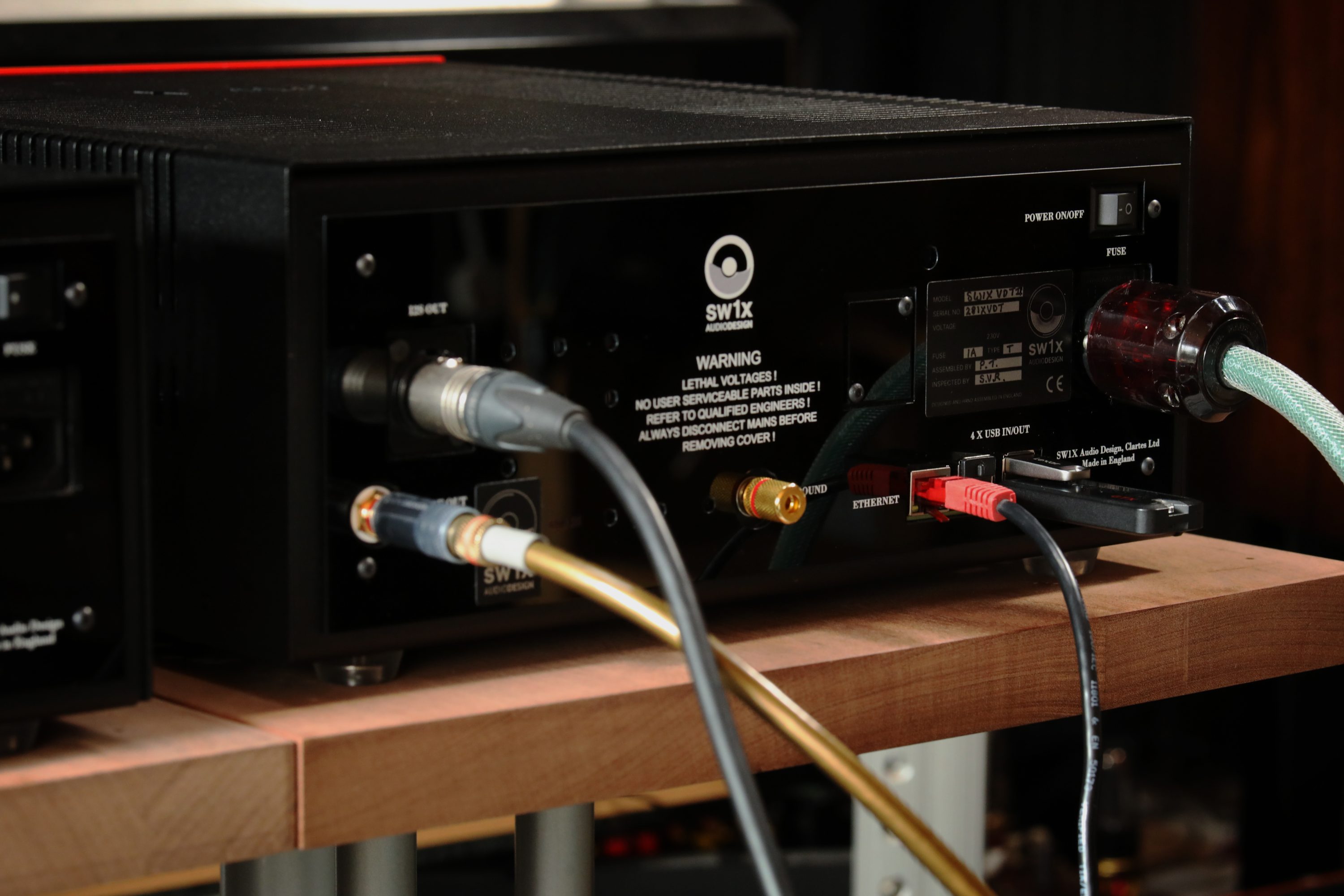
From CD Transports to Computer Audio
The transition from dedicated CD transports to computer-based playback transformed digital audio.
Optical discs gave way to hard drives and solid-state storage. Music libraries became searchable databases instead of shelves filled with CDs, while streaming services placed millions of albums within immediate reach. Convenience increased enormously, and for many listeners this represented a genuine revolution.
At the same time, however, music playback gradually became another computing task.
Many modern streamers are essentially low cost, general purpose computers “adapted for audio”. Their hardware platforms were originally designed for office applications, networking or embedded computing, and only later repurposed to reproduce music. Faster processors, greater memory capacity and increasingly sophisticated operating systems became selling points, despite contributing very little to the fundamental task of delivering digital audio to a DAC in a musical fashion.
This was our biggest finding: the more computer intensive the source became, the more it destroyed musicality.
Elegance as a Design Philosophy
A digital source performs a remarkably focused task.
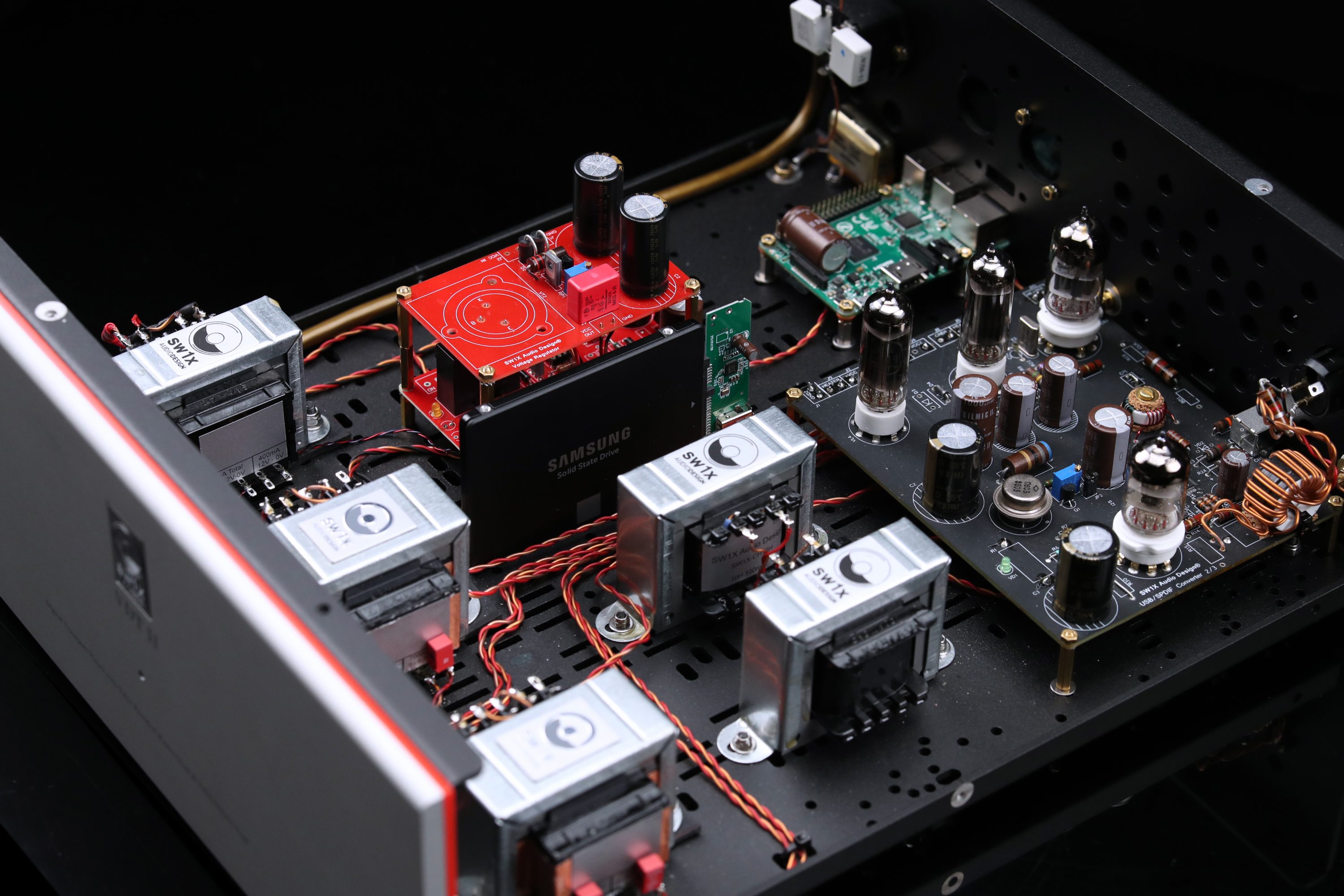
It retrieves music data, organises it, maintains precise timing and delivers that information to the DAC with the highest possible integrity. Unlike a workstation computer, it has no need for enormous processing power or unnecessary background activity.
What it requires instead is stability, low electrical noise and exceptionally accurate timing.
It requires carefully engineered high quality power supplies and a thoughtful isolation between digital subsystems.
Every additional processor, switching regulator and high-frequency digital circuit introduces another potential source of electrical contamination that ultimately shares the same environment as the audio signal.
Rather than asking how much computing power could be added, we asked how much unnecessary computing could be removed.
That simple shift in philosophy fundamentally changed the design.
Learning from the Best Digital Sources
Some of the most respected digital playback systems ever built emerged during the golden age of dedicated CD transports.
Classic mechanisms such as the Philips CDM-0 and CDM-1 continue to be admired decades later, not because they lacked technology, but because every aspect of their design served a single purpose. Signal paths were direct, clock distribution was carefully controlled, power supplies were specialised, and the entire machine existed solely to reproduce music.
There is much to learn from that philosophy.
Modern streaming technologies offer extraordinary convenience, yet many contemporary designs have become increasingly complex as they attempt to incorporate countless additional functions. In the process, the elegant simplicity that characterised the finest digital transports has often been lost.
The challenge became clear: could the musical coherence of a great CD transport be preserved while embracing today’s storage technologies and streaming services?
The Birth of the Valve Digital Transport & Streamer
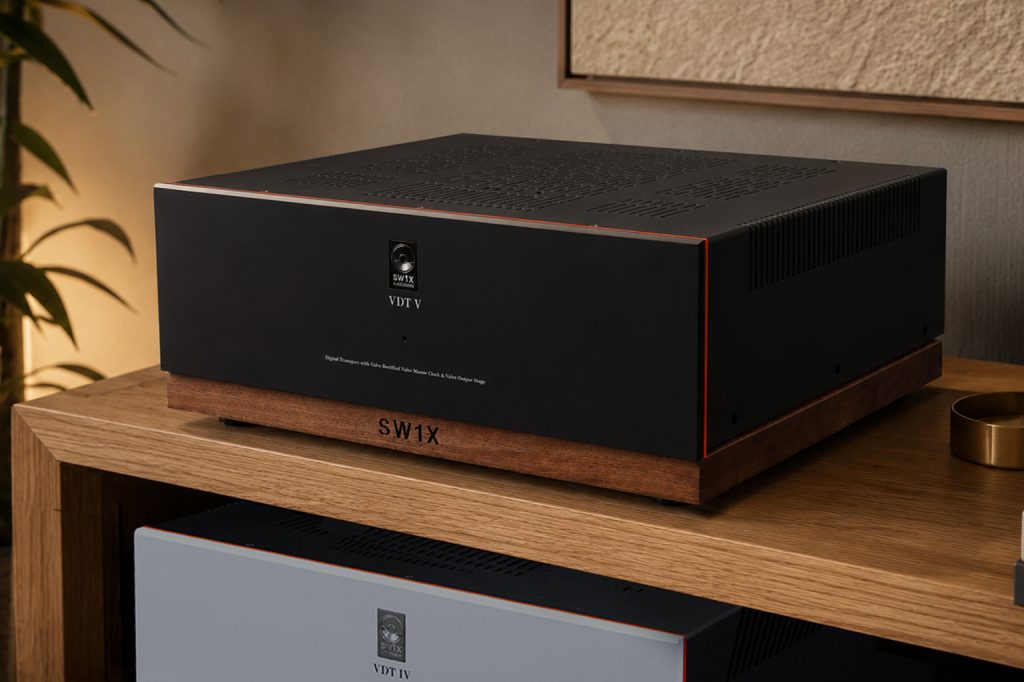
Rather than treating digital playback as another computing platform, the SW1X Valve Digital Transport & Streamer is designed as a dedicated music source. Its operating system contains only those functions necessary for high-quality playback. Its hardware is chosen for stability rather than raw processing capability, and its power supplies are engineered specifically for audio performance instead of computational efficiency.
Most importantly, the design extends a philosophy long associated with analogue equipment into the digital domain.
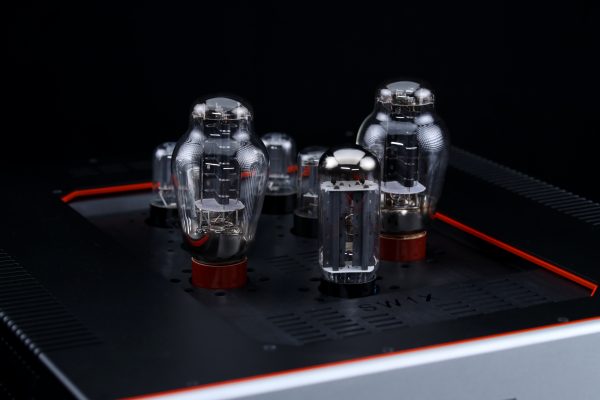
Valves are employed wherever the transistors could be replaced such as the clock generation and output stages. More sophisticated power supply implementations were adopted progressively throughout the product range.
The VDTs grow and expand every consecutive performance level, signifying a shift away from miniature semiconductors to proven highest quality audio components.

Beyond the DAC
Developing our filterless R2R DACs reinforced one lesson time and again: even the finest converter can only reproduce what it is given.
Improve the source, and every downstream component benefits.
The improvements are not limited to greater detail or enhanced resolution. Instead the VDT focuses on offering a more coherent presentation, greater rhythmic stability, a stronger sense of natural flow and an ease that allows music to sound less like digital reproduction and more like a live performance.
This ultimately became the purpose of the Valve Digital Transport.
It is not intended to replace the DAC, nor to compete with it. Instead, it restores balance to a part of the playback chain that has been comparatively neglected for many years.
A Different Philosophy of Digital Playback
The SW1X Valve Digital Transport & Streamers reflects a belief that the digital source deserves the same level of engineering attention traditionally devoted to DACs, amplifiers and loudspeakers. It acknowledges the historical evolution of digital playback – from integrated CD players, to separate transports and DACs, through network streaming and into locally stored digital libraries – and offers a digital playback solution where the digital file is fed as directly into a DAC as possible.
Whether retrieving music from an online streaming service, a server elsewhere on the home network or its own internal storage, the VDT is designed around one central principle: to retain the greatest possible integrity of the source file before the conversion process even begins.
In that sense, the Valve Digital Transport is not simply another streamer. It is the modern evolution of the dedicated digital transport, re-imagined for the new era of music lovers and listeners.

Find Out More about SW1X Digital Transport & Streamer