Top 5 Amplifier Tubes Ranked: Which Power Tubes Sound Best?
When discussing the top 5 amplifier tubes, most conversations immediately focus on legendary valves like the 300B. However, raw popularity doesn’t always translate into the finest musical performance.
After years of designing high-end vacuum tube amplifiers and listening to countless power tubes, certain designs consistently stand above the rest. Some excel in refinement, others deliver effortless power, while a select few achieve the elusive balance between realism, dynamics, richness and holographic imaging.
This article ranks five of the finest power amplifier tubes based on their sonic character, musicality, and suitability for high-end audio systems.
Note: This ranking focuses exclusively on power tubes and output-stage valves. Small signal tubes and high-gain preamplifier tubes are intentionally excluded.
Table of Contents
- Number 5 – EL84 (6BQ5): The Classic Rock & Roll Tube
- Number 4 – 6V6: Rich, Musical and Surprisingly Powerful
- Number 3 – 300B: The Most Famous Directly Heated Triode
- Number 2 – 45: The Sweet Spot Between Refinement and Power
- Number 1 – 2A3: The Ultimate Power Tube
- Why Tube Matching Matters More Than Tube Ranking
What Makes a Great Power Amplifier Tube?
Choosing the best amplifier tube isn’t simply about output power.
The finest valves distinguish themselves through the way they reproduce music rather than the number of watts they deliver. A truly great power tube combines tonal richness with a natural harmonic structure, allowing instruments and voices to sound lifelike and engaging. It should produce a spacious three-dimensional soundstage, respond effortlessly to musical dynamics and remain free from listening fatigue during long listening sessions. For many audiophiles, the best results are achieved when these qualities are paired with high-efficiency loudspeakers.
Many high-power transmitting tubes can produce impressive wattage, but ultimate musical refinement often comes from lower-powered directly heated triodes.
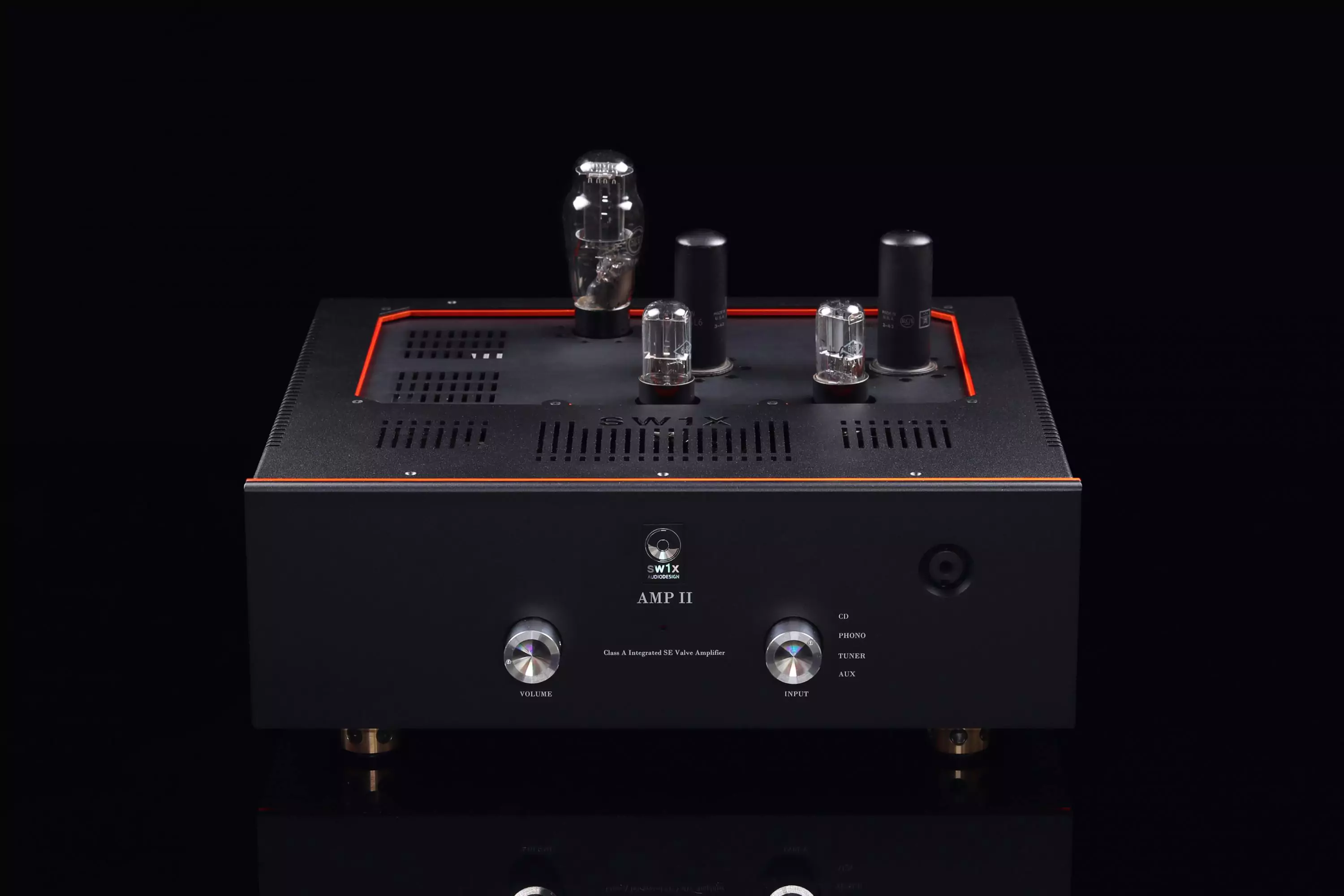
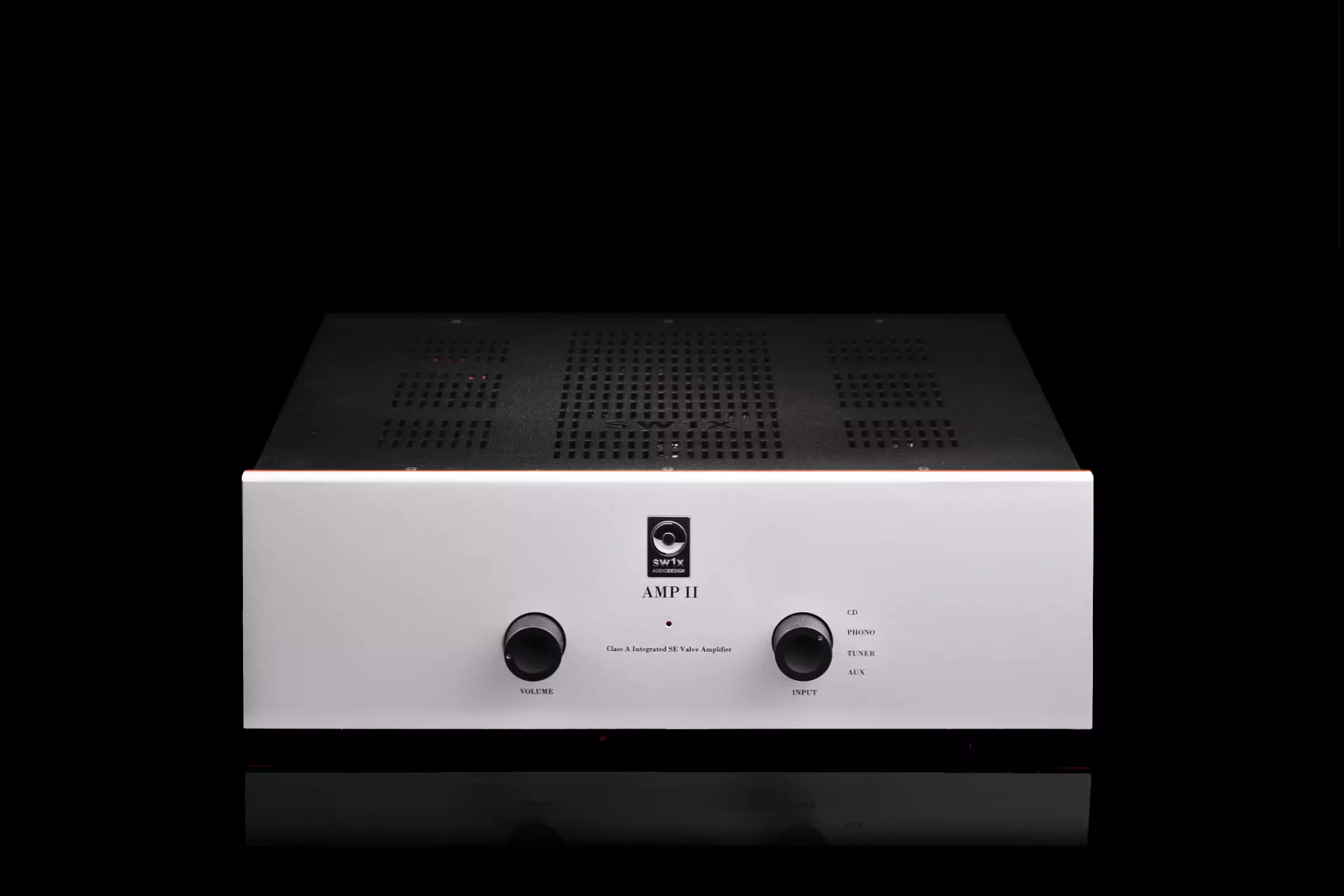
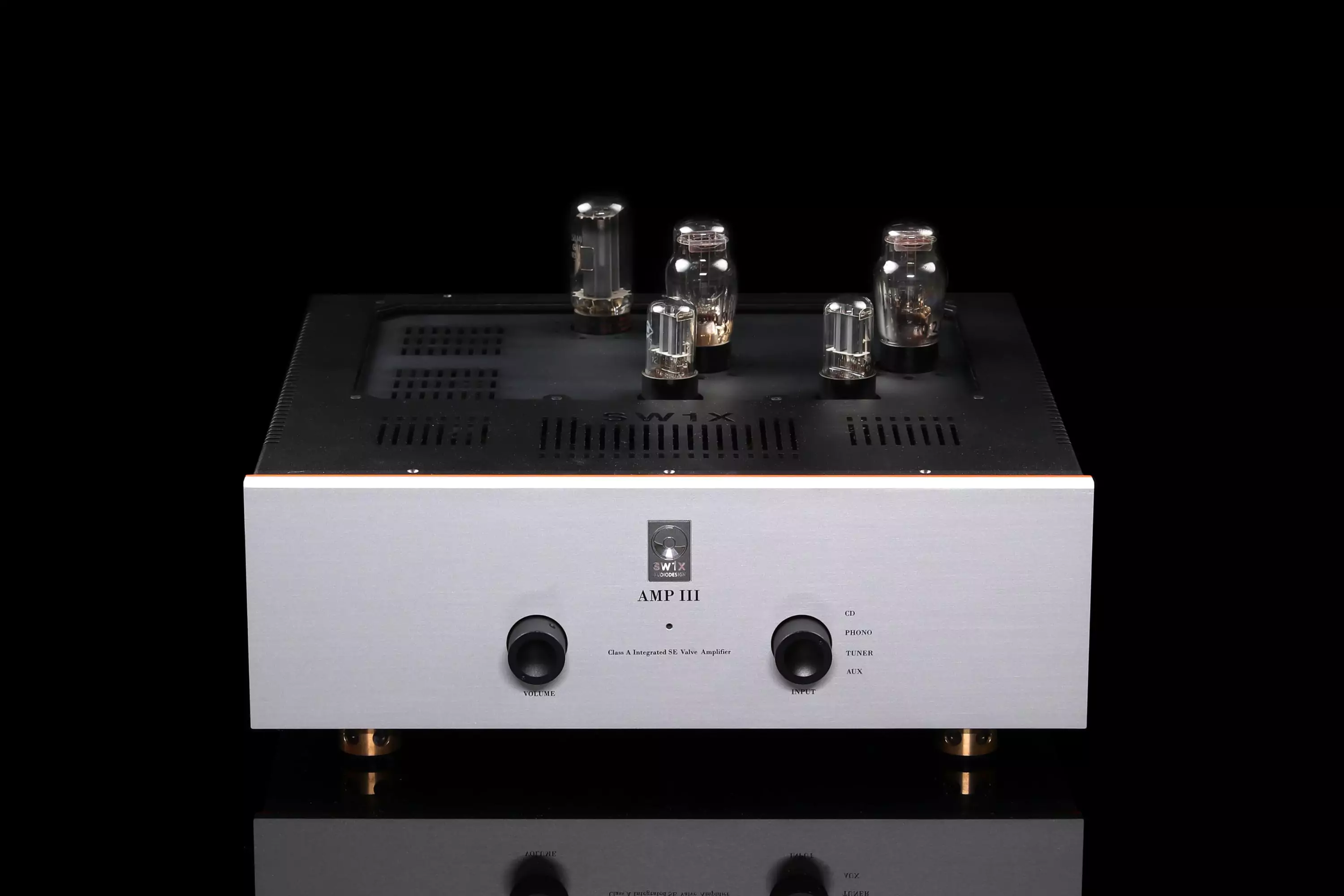
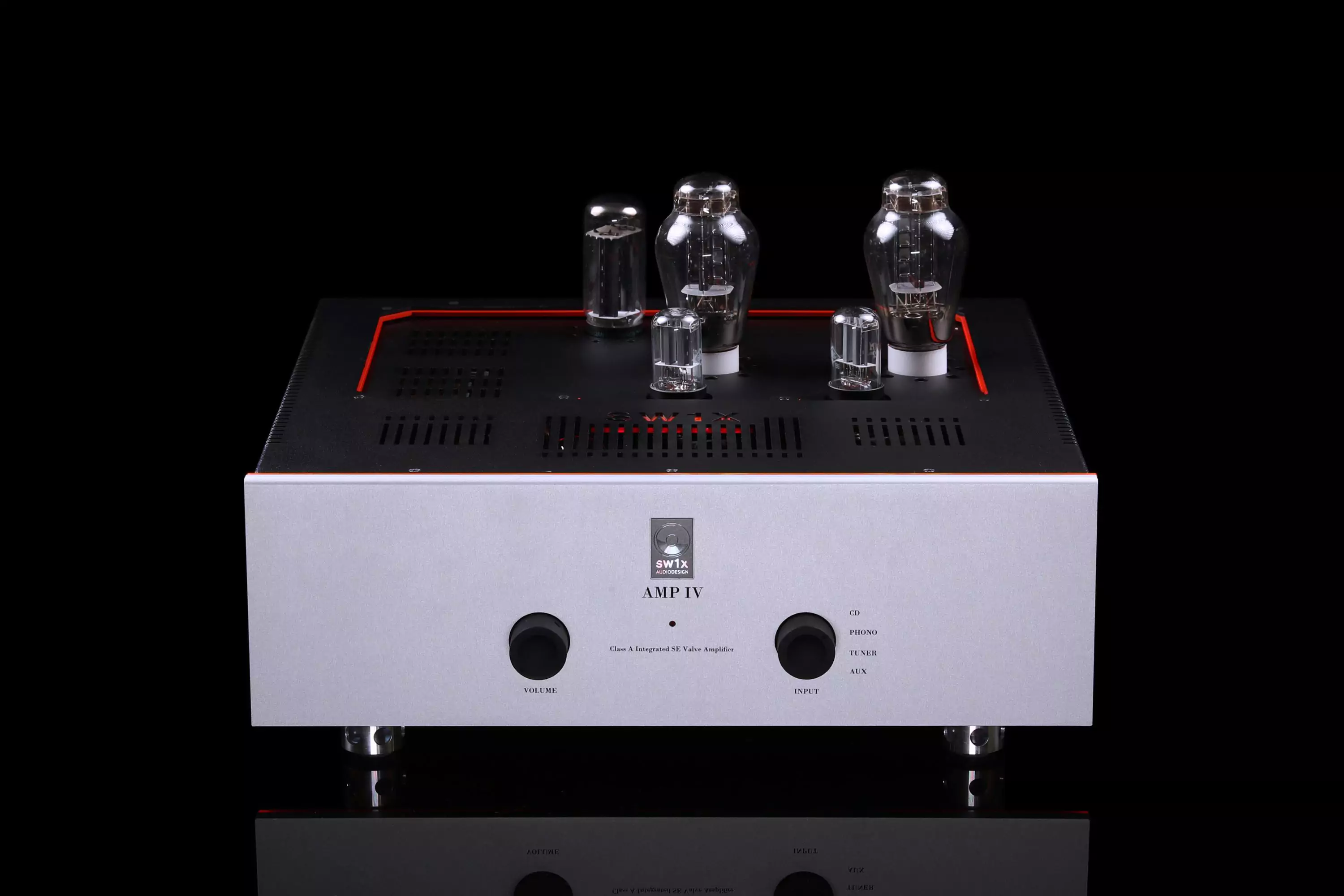
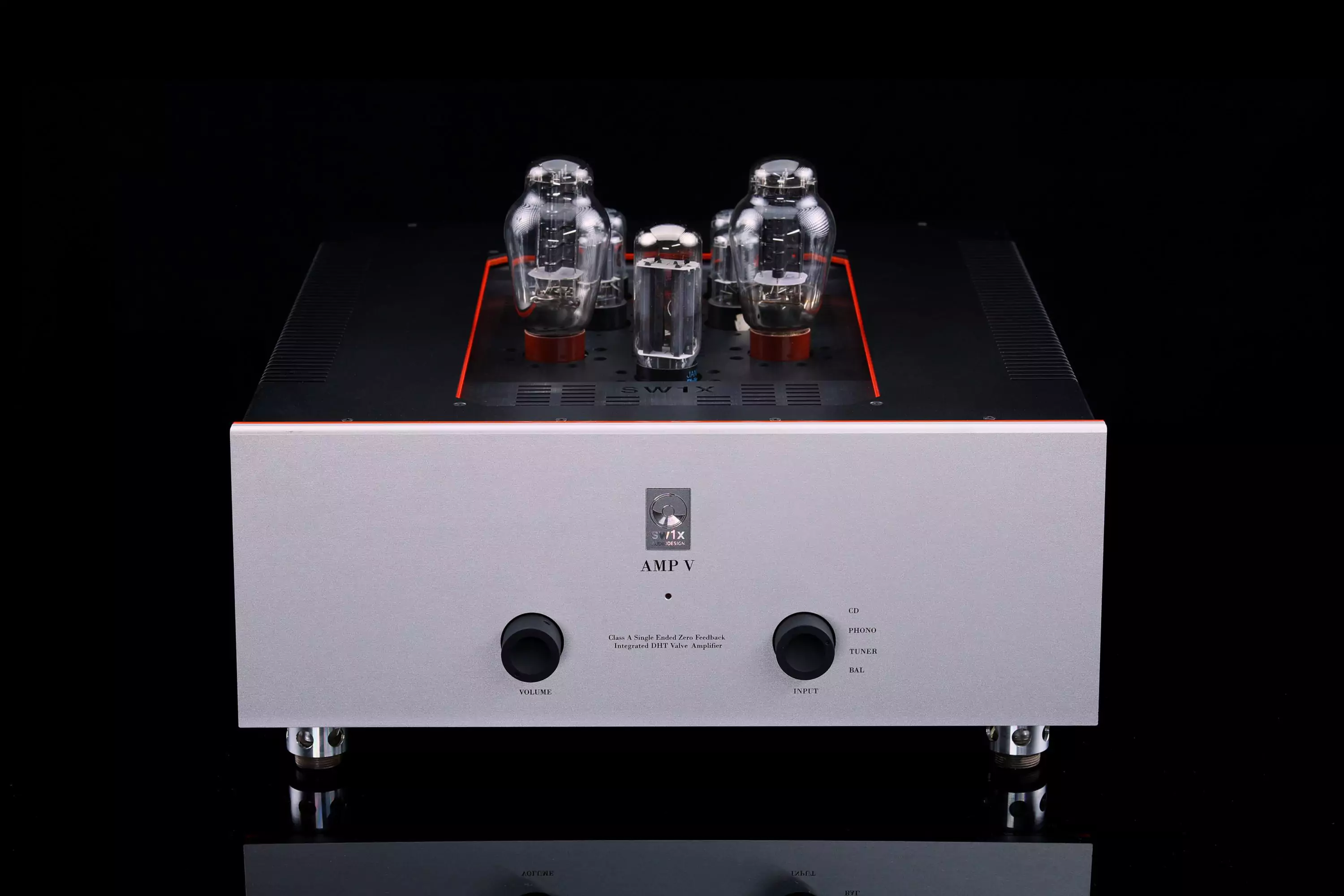

Number 5 – EL84 (6BQ5): The Classic Rock & Roll Tube
The EL84 is one of the most iconic power tubes ever produced.
Originally famous in vintage British guitar amplifiers during the 1960s, it developed a reputation for energetic, lively and engaging sound.
Although technically a pentode, it reaches its highest sonic potential when operated as a triode, which is how it is used in many high-end audio applications.
The EL84 is admired for its lively and energetic presentation. It responds quickly to musical transients, giving recordings a sense of speed and excitement while maintaining rich tonal colour. Although its soundstage is smaller than that of larger tubes such as the KT66 or 6L6, it compensates with exceptional agility and musical engagement.
Its compact 9-pin construction also gives it a slightly different character, almost combining the speed of a small-signal tube with the authority expected from a power tube.
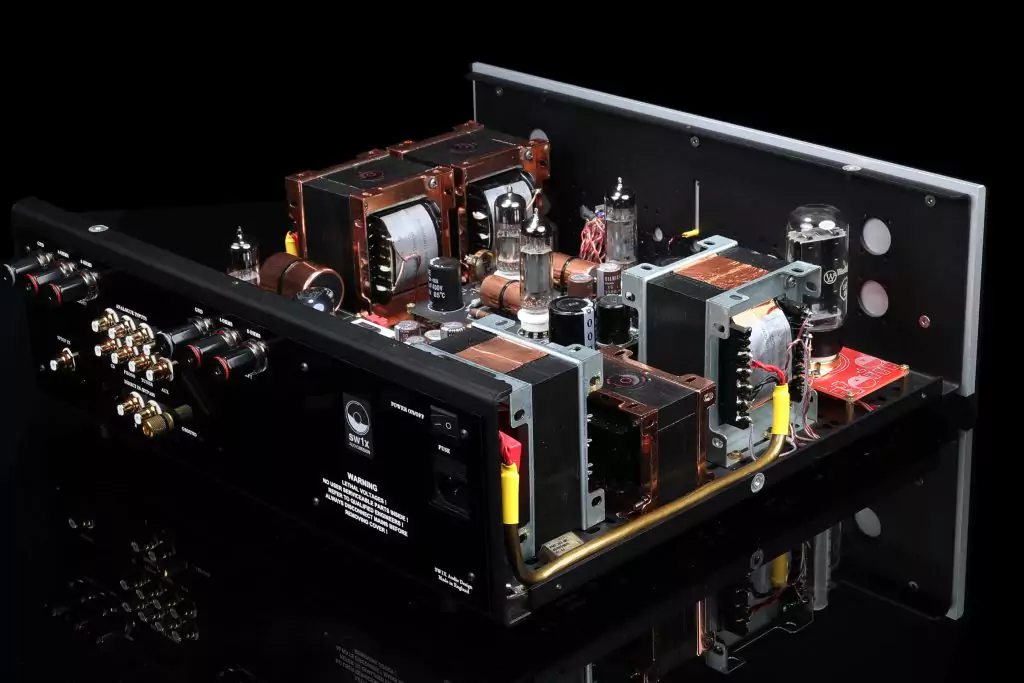
Number 4 – 6V6: Rich, Musical and Surprisingly Powerful
Moving one step higher brings us to the legendary 6V6.
This beam tetrode has long been appreciated for delivering a wonderfully balanced combination of warmth, current capability and musical engagement.
Compared with the EL84, the 6V6 produces a noticeably larger and more authoritative presentation. Its lower internal resistance allows for greater current delivery, resulting in fuller fundamentals, richer harmonic textures and smoother dynamics. The overall sound feels more substantial without sacrificing the warmth and musicality that have made the 6V6 a favourite among audiophiles for decades.
Despite being a relatively modest power tube, the 6V6 creates a presentation that feels significantly larger than its physical size suggests.
One of its additional advantages is excellent tube availability, with numerous modern and vintage variants still readily available today.
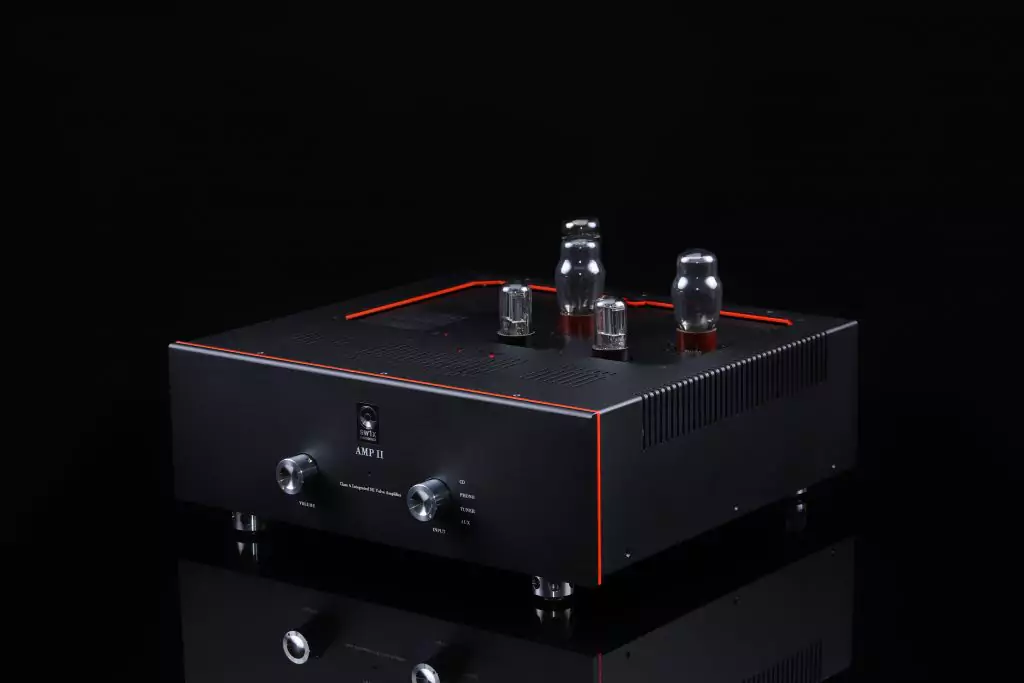
Number 3 – 300B: The Most Famous Directly Heated Triode
No discussion about the best amplifier tubes would be complete without mentioning the legendary 300B.
It is arguably the world’s most recognised directly heated triode.
The legendary status of the 300B comes from its ability to combine generous Class A output power with a beautifully expressive midrange and impressive dynamic capability. It has enough authority to drive many moderately efficient loudspeakers while maintaining the smooth, engaging sound that has made it one of the most recognisable directly heated triodes in high-end audio.
For many systems, especially those requiring additional power, the 300B remains an outstanding choice.
However, greater output does not automatically mean greater refinement.
Compared with lower-powered directly heated triodes, the 300B sacrifices a degree of delicacy and finesse. As output power increases, many directly heated triodes begin to prioritise strength and authority over ultimate refinement. This trend becomes even more apparent in larger transmitting tubes such as the 845, 211 and GM70, which were originally designed for transmitting applications rather than high-end audio.
While these tubes excel when high sound pressure levels are required, they can sound comparatively sterile when paired with highly efficient loudspeakers that need only a few watts to perform at their best.

Number 2 – 45: The Sweet Spot Between Refinement and Power
Among experienced tube enthusiasts, the 45 enjoys an almost legendary reputation.
Producing around 2 watts of Class A power, it may seem modest on paper, yet paired with efficient horn loudspeakers it produces astonishing musical realism.
Despite producing only around two watts of Class A power, the 45 has earned an almost legendary reputation among experienced tube enthusiasts. It delivers exceptional holographic imaging, remarkable transparency and beautifully delicate harmonic textures that allow recordings to sound incredibly lifelike. Its combination of tonal realism and refinement makes it one of the most emotionally engaging power tubes ever produced.
While the older 71A arguably offers even greater refinement, its limited operating voltage makes it less practical in amplifier design.
The 45 therefore strikes a far better balance between usability, musicality and performance.

Number 1 – 2A3: The Ultimate Power Tube
Taking the top position is the magnificent 2A3.
If one tube perfectly balances power, beauty, richness and refinement, it is the 2A3.
The 2A3 can be thought of as two 45 tubes housed within a single envelope, delivering around 3.5 watts of Class A power. It preserves much of the refinement that makes the 45 so special while adding greater current capability, stronger dynamics and a more authoritative presentation. It further offers rich harmonic presentation and beautiful micro-detail.
The result is a tube that combines delicacy with effortless power, making it one of the most balanced output valves ever created.
Vintage 1940s examples are particularly prized for their refinement and remain among the finest audio valves ever manufactured.
Compared directly with the 300B, the 2A3 often delivers more refinement, greater transparency, better tonal purity and a more natural musical presentation. Any gains from using the more powerful 300B compared to 2A3 may not be translated noticably to the listener, making 2A3 the better choice for many high-efficiency loudspeakers.

Honourable Mention: AZ1
Although no longer in production, the AZ1 deserves special recognition.
Its remarkable musicality places it among the finest tubes ever made, even if sourcing original examples has become increasingly difficult.
We Ranked Our Top 5 Amplifier Tubes – But Tube Matching Matters More
One of the biggest misconceptions in high-end audio is believing that simply using the “best” tube throughout an entire system produces the best sound.
In our amplifier designs, every tube contributes its own unique sonic character. For listeners seeking ultimate refinement with high-efficiency loudspeakers, the 2A3 and 45 remain difficult to surpass.
Those needing additional output may naturally gravitate towards the 300B, while the 6V6 and EL84 continue to prove that smaller power tubes can deliver exceptional musical enjoyment.
There is no single “perfect” amplifier tube for every system. Combining different tube types throughout a system often produces a richer, more natural presentation than repeating the same valve in every stage.
In reality, system synergy matters far more. Speaker efficiency and design, the choice of matching amplifier, room size and acoustics – all influence the final result.
Ultimately, great audio is not about chasing the most powerful valve – it’s about selecting tubes that complement one another and create a coherent, harmonically balanced system. That synergy is where truly outstanding sound begins.
Follow us on Facebook, Instagram, YouTube and Pinterest. Join the official SW1X Audio Club