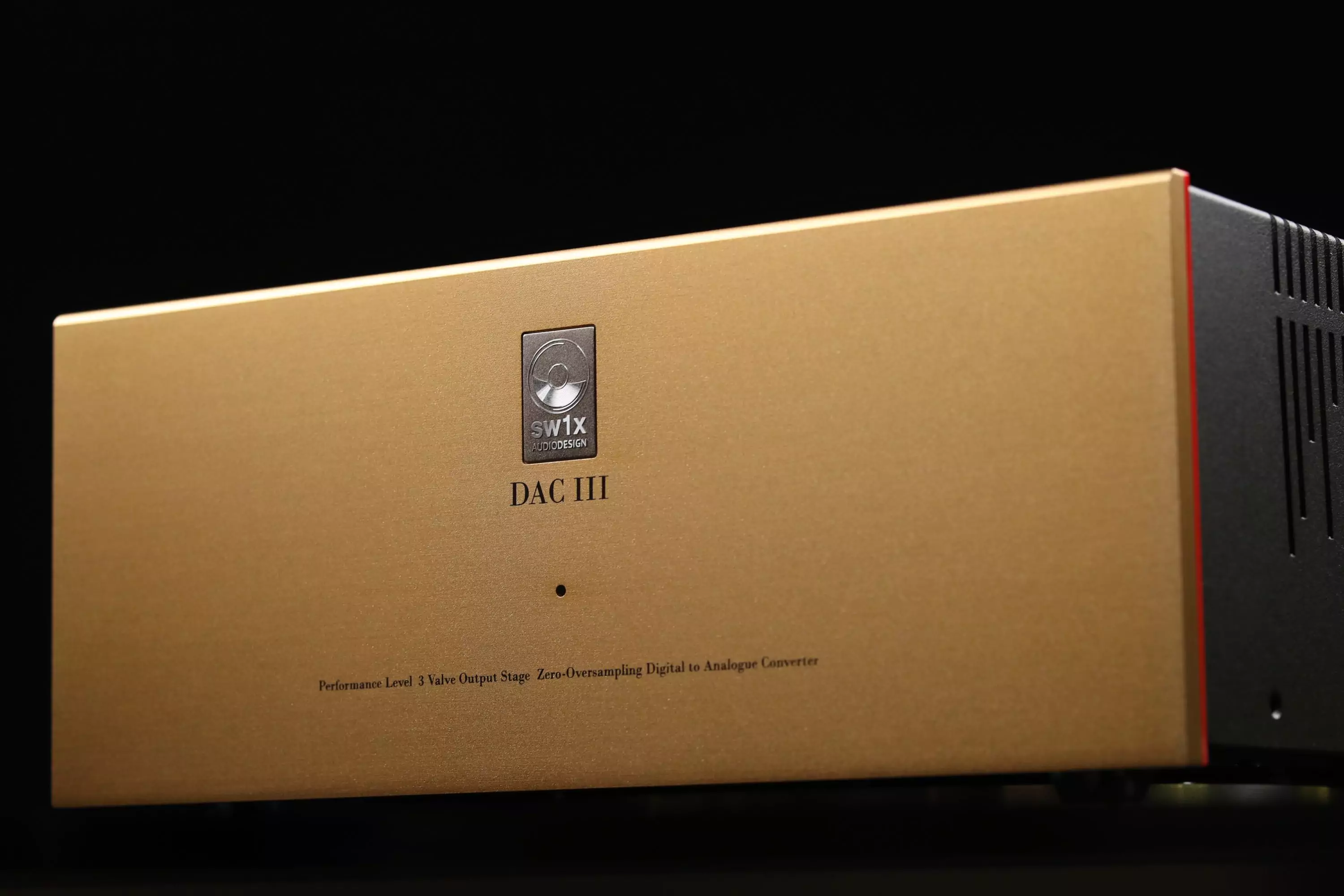
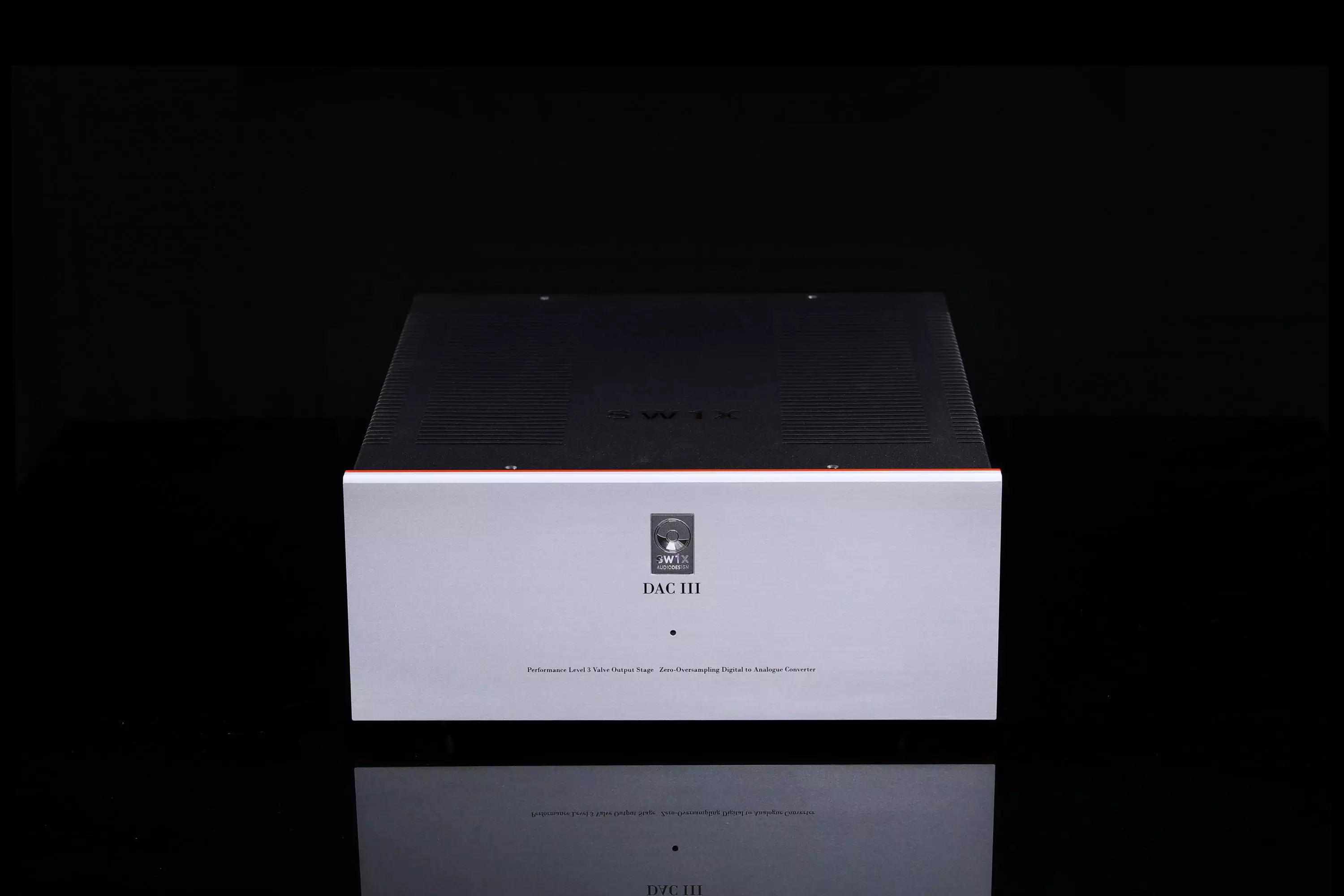
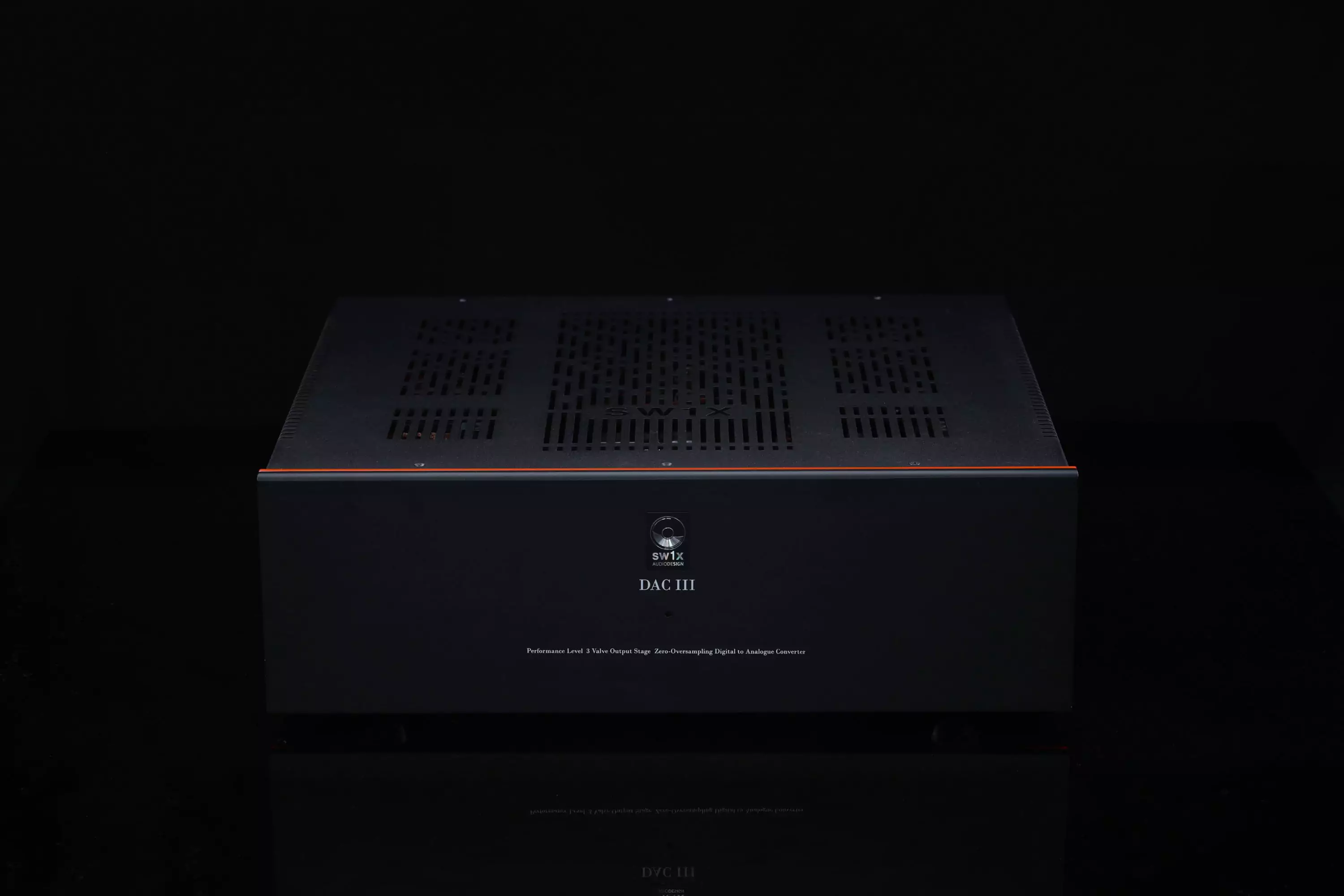
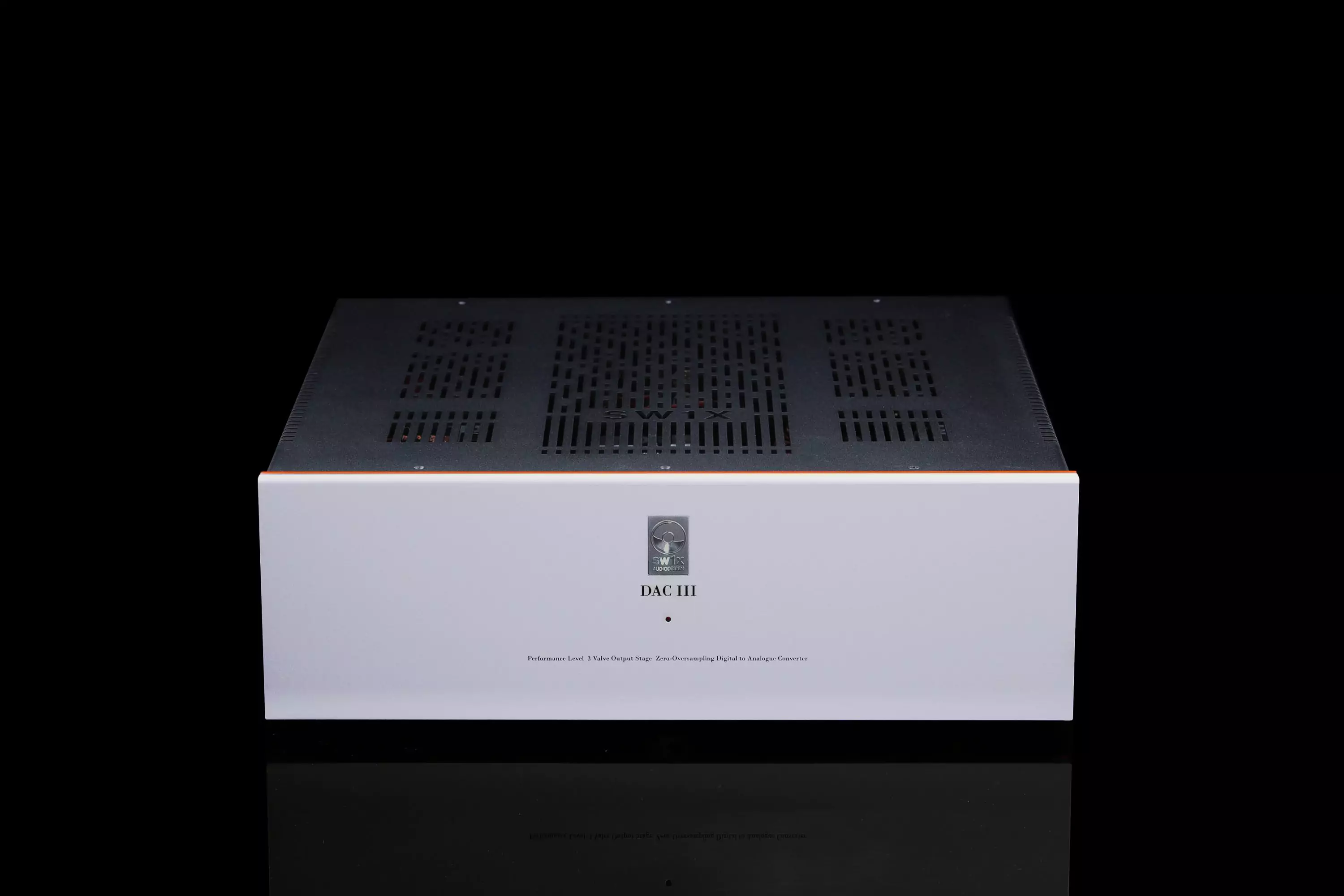
10th Anniversary DAC III Now Available
Top 5 R2R DACs
When we talk about top of the line DACs, we have to begin with an honest admission: the ideal DAC exists only in our minds. Nothing in this world is perfect. Yet the idea of perfection of a DAC that completely disappears and leaves only music — has always guided the search.
In that vision, a DAC should approximate analogue so closely that the outcome feels the same whether the source is tape, vinyl, or digital. The sound should be organic, natural, fluid. There should be no sense of technology standing between the listener and the performance, as one expects from a live-performance.
But in the early days of digital, that was not the experience at all.
CD playback often sounded artificial, sterile, and mechanical. There was a wide and obvious gap between analogue and digital. The texture, the ease, the dimensionality of tape and vinyl simply weren’t there. That gap became the motivation to explore different DAC architectures in search of something more convincing — something that could truly belong among the top DACs.
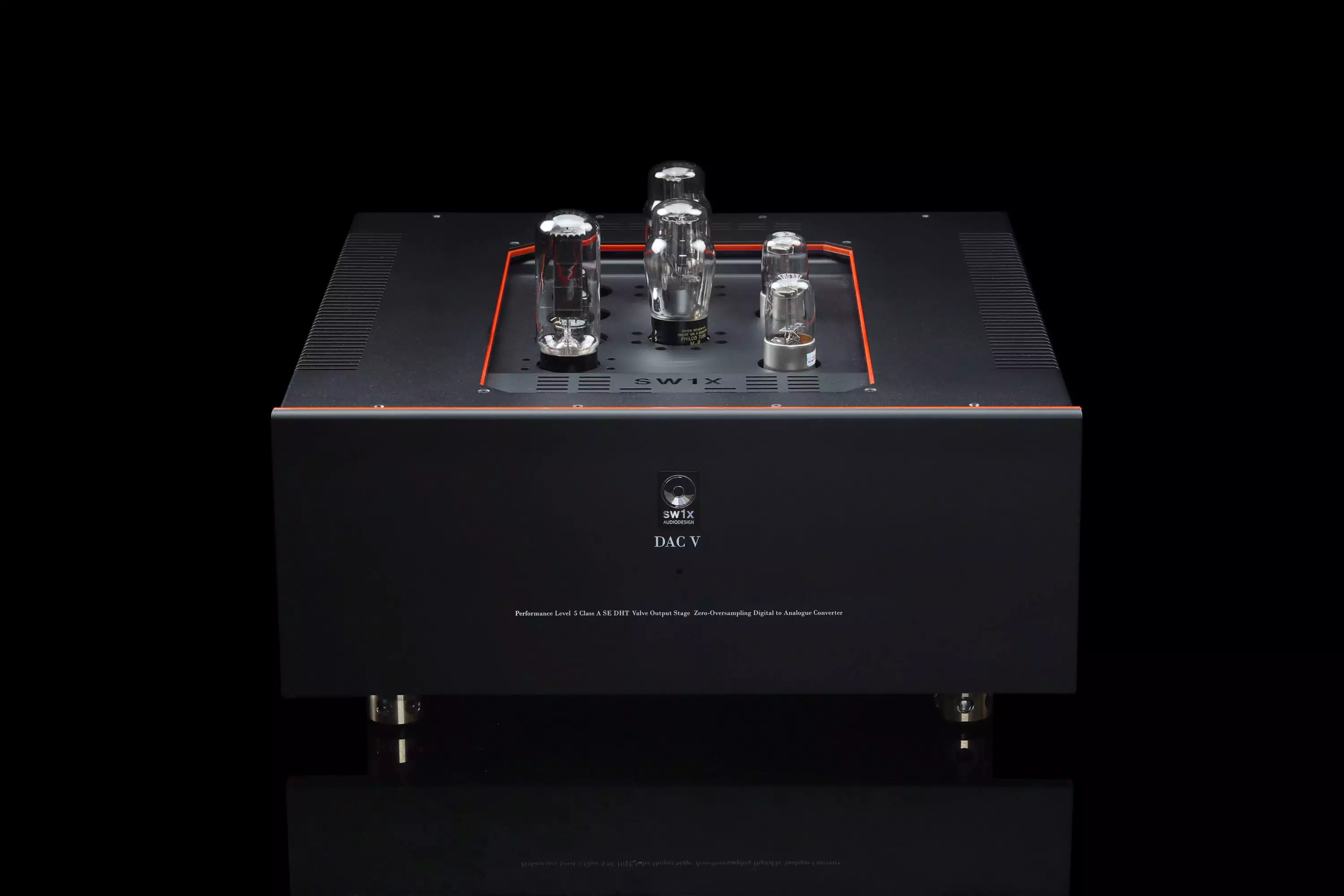
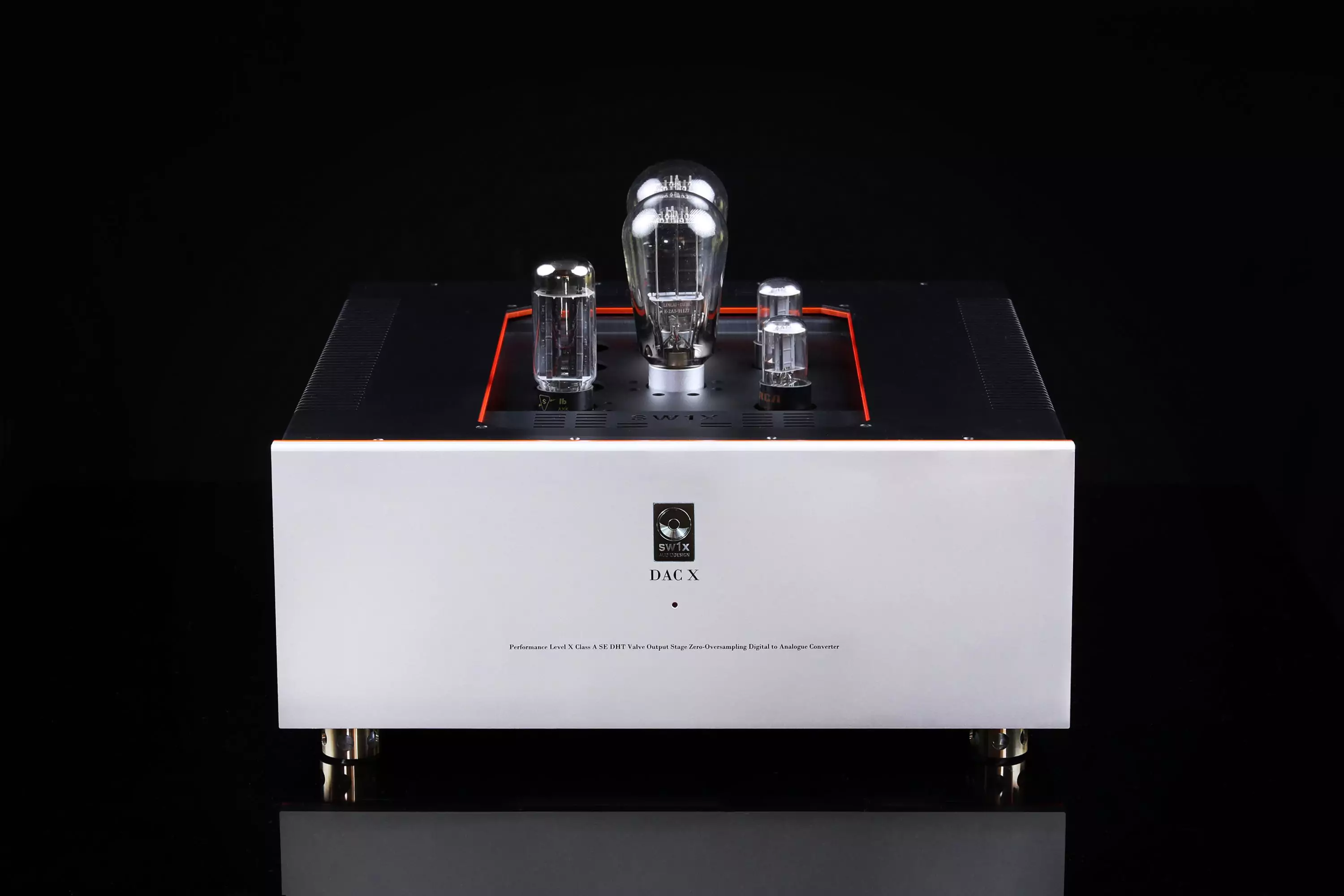
The Turning Point: Discovering TDA1543
One of the first eye-openers was listening to a DAC built around the Philips TDA1543 . It was configured in non-oversampling mode, without digital filters, using multiple chips in parallel and no traditional output stage. In many ways, it was as pure a DAC implementation as possible.
The first listen was eye-opening.
It wasn’t the most refined sound. But it immediately resembled the character of tape and vinyl playback. The presentation was liquid, lucid, and natural. The music flowed instead of being dissected.
That experience raised an important question: why did this modest, older DAC sound more analogue than higher-spec 24-bit designs available at the time?
Initially, the absence of digital filtering seemed to be the answer. Later, it became clear that everything surrounding the DAC mattered just as much. The power supplies, the input stage, the output stage, the materials, and the execution. The DAC chip itself is only a starting point. Implementation determines whether it sings.
With that understanding, the journey deepened.
Comparing the Field: What Didn’t Make the List
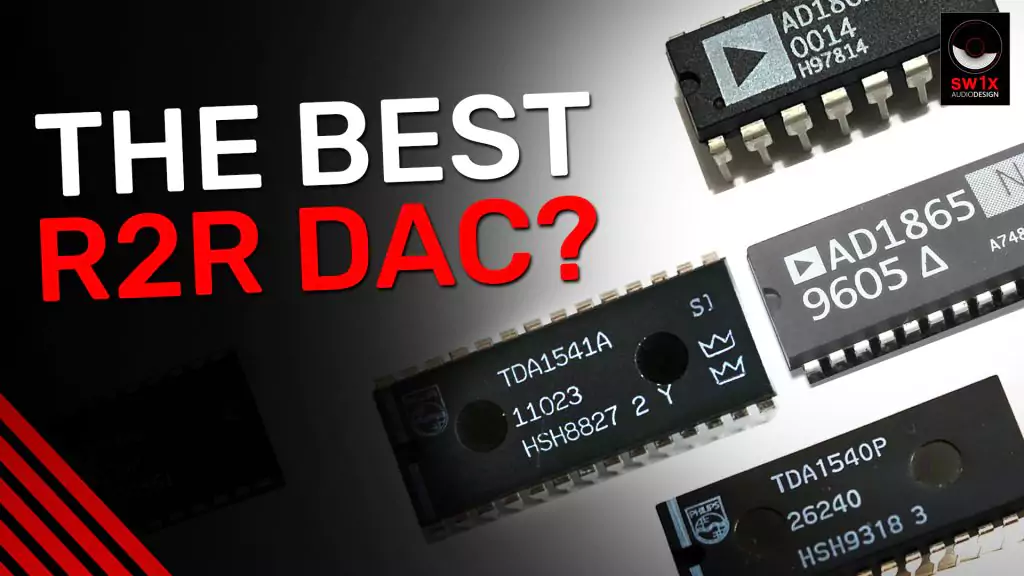
So what DACs did not make our Top 5 R2R DAC list? A wide range of DACs were tested in controlled conditions. Noise-shaping designs from companies like ESS Technology & AKM were evaluated alongside classic multi-bit R2R chips from Philips like TDA1540, TDA1541, Texas Instruments (formerly Burr Brown) PCM 56, PCM 58, PCM 63, and Analog Devices AD 1862, AD 1864, AD 1865 . I listened to all of these individually, judging what character and presentation they have.
Many noise-shaping DACs, despite impressive specifications, failed to deliver the natural depth and holography that define truly analog sound. There was often a sense of artificiality — a subtle noise between notes, a synthetic character in the presentation. They were compared, in spirit, to Class D amplifiers: efficient and powerful, but not inherently organic.
By contrast, R2R DACs without digital filters resembled Class A designs – quieter, smoother, and more natural. That philosophy shaped the final selection of the Top DACs.
Interestingly, higher bit depth did not automatically translate into better musicality. In several cases, lower-bit designs sounded more coherent and engaging than their 24-bit successors. For example, some modern 24-bit chips did not surpass older 20-bit or even 16-bit implementations in terms of realism and flow and I came to the conclusion, more bits did not mean more music.
Our Favorite Top 5 DACs
After years of listening and experimenting, five R2R DAC chips stood out as our personal references, not because of their specifications, but because of how convincingly they reproduce music.
TDA1540
The TDA1540 remains one of the most analogue-sounding digital converters ever created. Despite being a 14-bit design, it produces an extraordinarily musical presentation. Its tonal density and organic flow are reminiscent of vinyl playback. The challenge with the TDA1540 lies in its implementation, as it requires a more complex interface to operate in standalone designs. Yet in terms of pure sound, it is among the very best.
TDA1541
The TDA1541 builds on the foundation of the 1540 with greater flexibility and refinement. It offers deep soundstaging, natural timbre, and a beautifully analogue midrange. Of all the DACs evaluated, the TDA1541 stands as perhaps the most versatile and complete expression of classic multi-bit design, especially when implemented in digital filterless, non-oversampled configuration. It captures the essence of tape and vinyl playback with remarkable consistency.
PCM56
From the Burr Brown lineage under Texas Instruments, the PCM56 became a clear favorite. While higher models like the PCM58 and PCM63 were also impressive, the PCM56 offered a special elegance. Its use of nickel-chromium resistors inside the chip contributes to its rich and detailed character. Despite being a 16-bit design, it delivers weight, balance, and refinement that surpass many higher-bit alternatives.
TDA1543
The TDA1543 earned its reputation as a cornerstone of the non-oversampling movement. It may be considered a simplified relative of the 1540 and 1541, but it retains their musical DNA. Warm, direct, and engaging, it serves as an accessible entry point into the world of analogue-sounding digital playback. Its popularity is well deserved.
AD1865
The AD1865 from Analog Devices deserves recognition for its smooth and articulate character. Although it ultimately did not surpass the Philips and Burr Brown favorites in overall naturalness – particularly in the upper registers – it remains one of the most respected 18-bit R2R designs. Its inclusion reflects its historical and sonic significance in the evolution of Top DACs.

The Philosophy Behind the Choice
These five R2R DACs represent more than a technical preference. They embody a philosophy.
Rather than chasing trends or the latest specifications, the focus has always been on technologies that consistently deliver analogue-like musicality. Once identified, those technologies are refined over years – even decades – until they approach the ideal of natural playback.
The search for the Top DACs is not theoretical. It cannot be solved on paper. It requires listening, experimenting, and experiencing. Only by hearing the differences firsthand can one understand what separates technical performance from true musical engagement.
In the end, the ideal DAC may exist only in the imagination. But through careful implementation of these five classic multi-bit designs, we come closer to that vision. Where digital playback feels effortless, organic, and unmistakably alive.
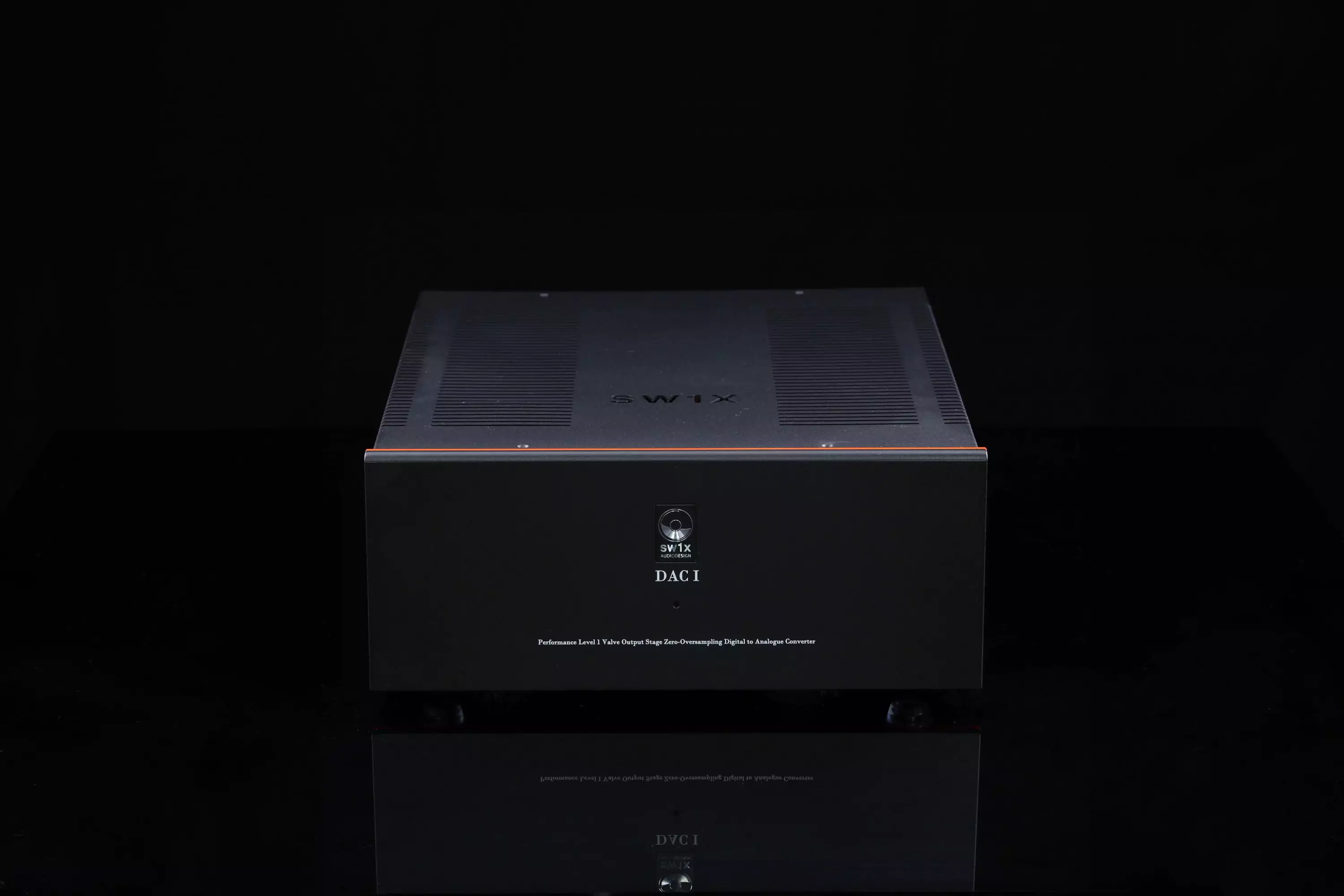
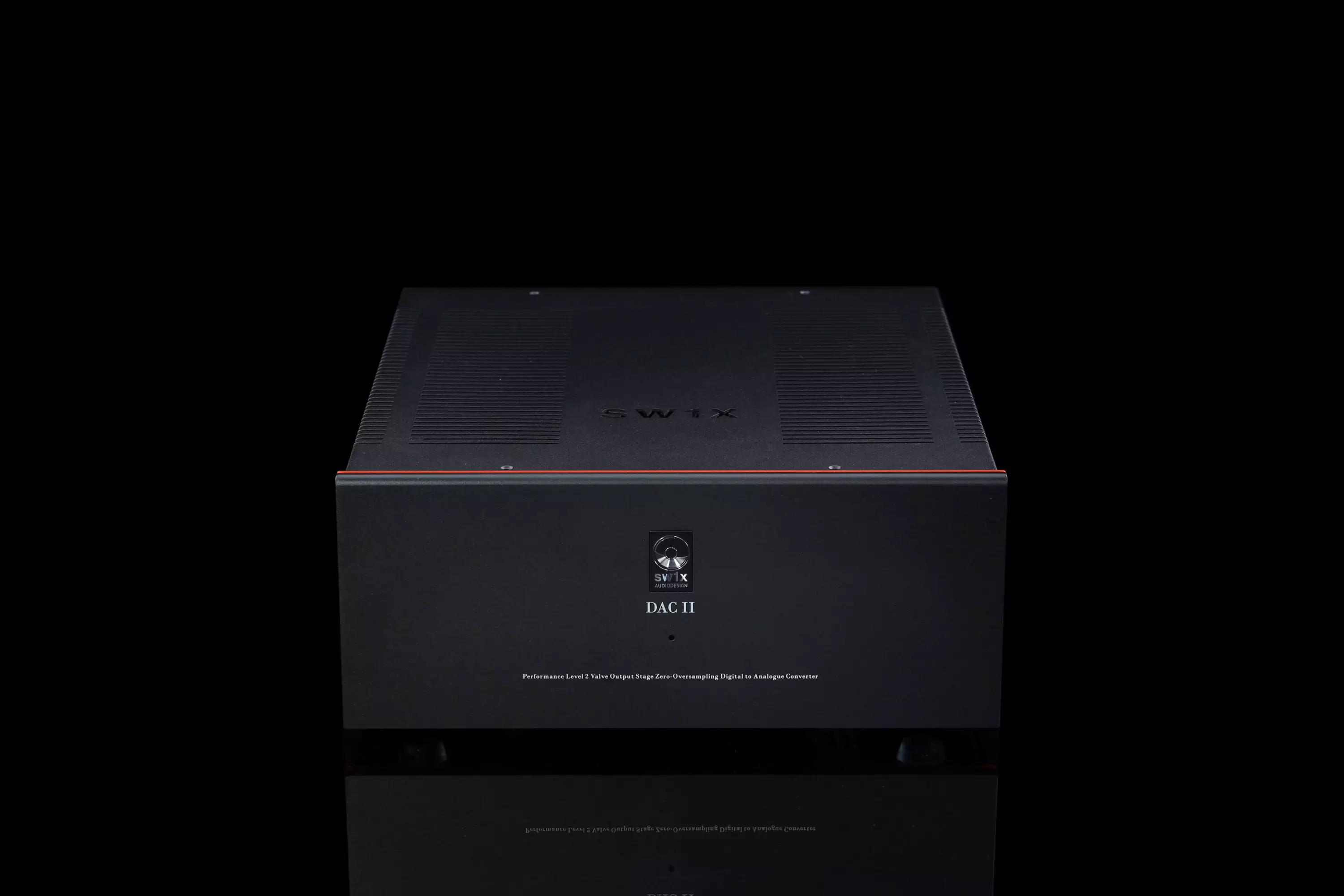
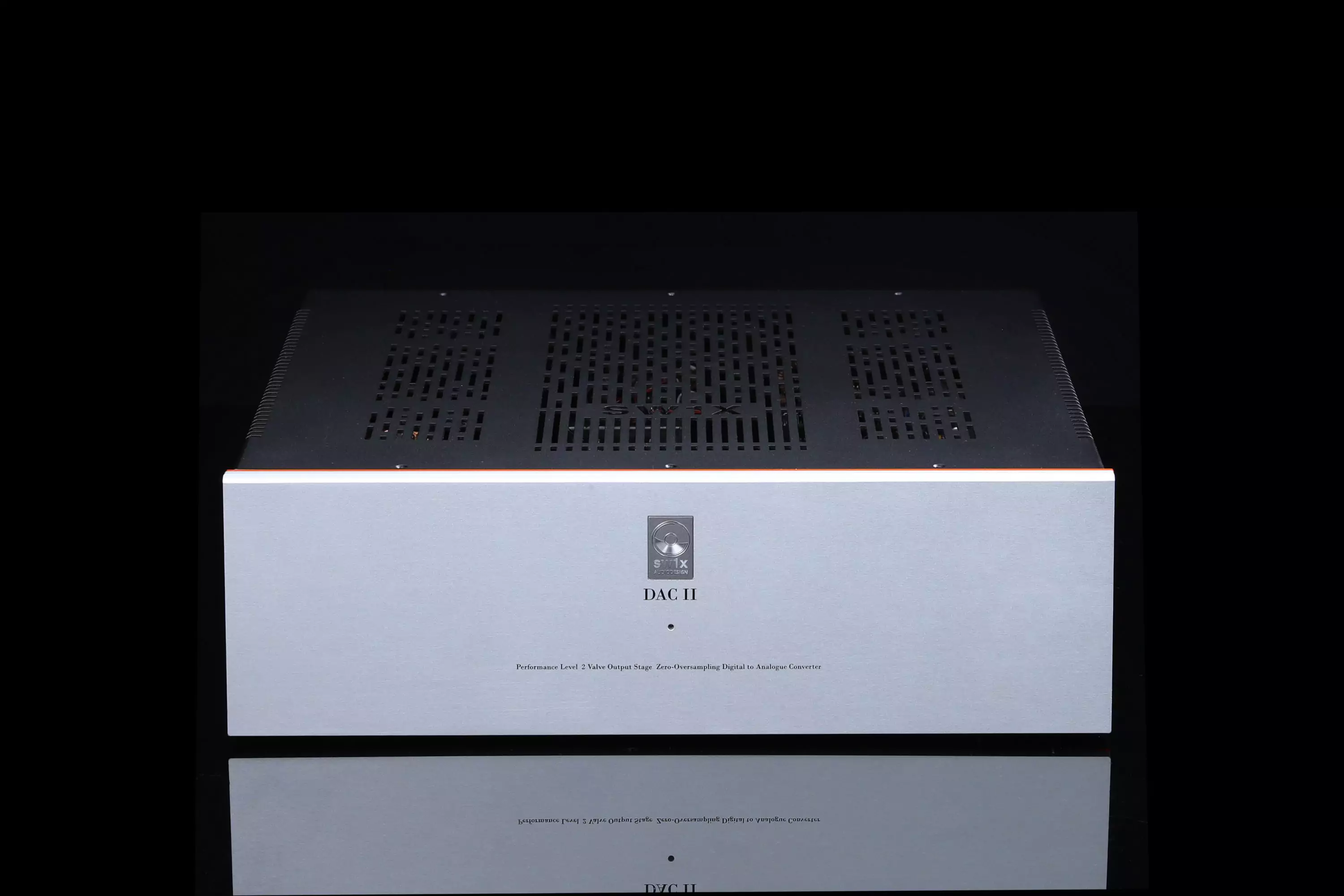
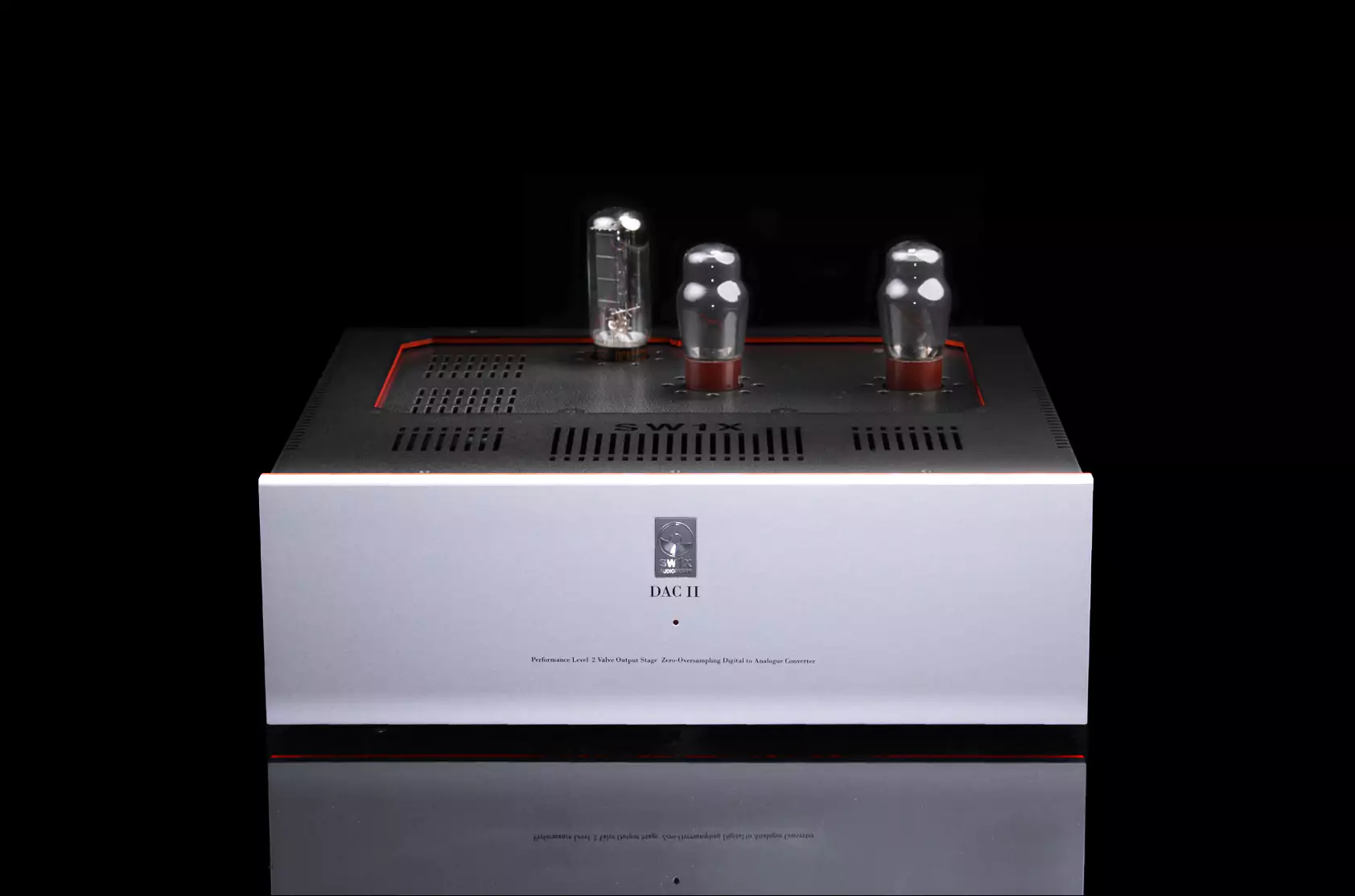
See More from SW1X DACs
Follow us on Facebook, Instagram, YouTube and Pinterest. Join the official SW1X Club